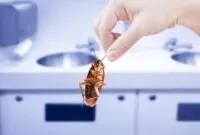

Cockroaches are among the most common household pests found in residential environments. Their presence can be unpleasant, but the problem is not limited to appearance. Cockroaches may move through areas containing food waste, drains, garbage, and other contaminated materials before entering kitchens, bathrooms, storage areas, or other parts of a home. As a result, their presence can become a household hygiene concern when an infestation is allowed to develop.
However, finding one cockroach does not always mean that an entire house has a severe infestation. Cockroaches can enter homes for different reasons, including the availability of food, water, shelter, and suitable hiding places. Understanding these factors is more useful than simply killing individual insects whenever they are seen. If the environmental conditions that attract cockroaches remain unchanged, the problem may continue even after several insects have been removed.
For this reason, effective cockroach prevention should focus on the conditions that make a home attractive to these pests. Food should be stored properly, moisture should be controlled, potential entry points should be inspected, and areas that provide shelter should be maintained. A combination of these measures can make the home less suitable for cockroaches and reduce the likelihood of repeated infestations.
Why Do Cockroaches Enter Homes?
Cockroaches enter homes primarily because residential environments can provide the basic resources they need to survive. These resources include food, water, warmth, and shelter.
A kitchen may provide food crumbs, grease, food packaging, and waste. Bathrooms and areas around plumbing can provide moisture. Cracks, gaps, cabinets, and spaces behind appliances can provide shelter.
This means that even a relatively clean home can occasionally experience cockroach activity. Cleanliness is important, but it is not the only factor. Building conditions, plumbing, humidity, access points, and the surrounding environment can also influence whether cockroaches enter and remain inside.
Food Is a Major Attraction
Cockroaches are opportunistic feeders and can consume many different types of organic material. Small amounts of food residue may be enough to attract them, particularly when waste remains accessible overnight.
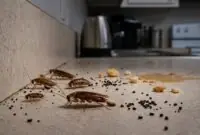
Crumbs under furniture, food residue on countertops, open food containers, and unwashed dishes can all provide potential food sources.
This does not mean that homeowners must clean the kitchen every few minutes. A more realistic approach is to remove food residues regularly and prevent food from remaining exposed for long periods.
Keep Food in Closed Containers
Food should be stored in containers that can be closed properly. This is particularly important for dry goods such as rice, flour, cereal, sugar, snacks, and pet food.
Leaving food in open bags or poorly sealed packaging can make it easier for pests to access. Proper storage also helps protect food from moisture and other forms of contamination.
The objective is simple: reduce the number of accessible food sources inside the home.
Clean Food Residues
Food residue can remain in places that are not immediately visible. Areas underneath kitchen appliances, inside cabinets, around cooking equipment, and along corners may accumulate crumbs or grease over time.
Routine cleaning should therefore include areas where food particles are likely to collect.
A clean countertop alone does not guarantee that the kitchen is unattractive to cockroaches. Hidden residues can remain available even when visible surfaces appear clean.
Manage Household Waste
Garbage can provide cockroaches with both food and shelter. Kitchen waste is particularly relevant because it may contain food scraps and organic material.
Waste should be placed in suitable containers and removed regularly. Garbage bins should also have lids when practical.
The bin itself should be cleaned when food residue or liquid accumulates inside. Simply replacing the garbage bag does not address residue that remains on the container.
Do Not Leave Dirty Dishes Overnight
Dirty dishes can contain food particles and grease that may attract cockroaches. Leaving dishes in the sink overnight can therefore provide an accessible food source.
Washing dishes after meals or at least removing food residue before leaving them overnight can help reduce this opportunity.
The same principle applies to cooking utensils, plates, cutting boards, and other equipment used during food preparation.
Control Moisture
Food is not the only resource that attracts cockroaches. Water and moisture can also influence their ability to survive inside a home.
Leaking faucets, damaged pipes, condensation, wet sinks, and damp areas under appliances can create favorable conditions.
Homeowners should inspect areas around sinks, toilets, pipes, refrigerators, washing machines, and other water sources. Small leaks should be repaired rather than ignored.
Reducing unnecessary moisture can make the environment less suitable for cockroaches.
Fix Plumbing Problems
Plumbing problems can contribute to pest activity when they create persistent moisture. A slow leak may seem insignificant, but if it continues for weeks or months, it can keep an area consistently damp.
Checking pipes beneath sinks is particularly useful because these areas are often dark and rarely inspected.
If there is a recurring moisture problem, repairing the underlying plumbing issue is more effective than repeatedly cleaning the affected area.
Inspect Cracks and Gaps
Cockroaches can use small cracks, gaps, and openings as entry points or hiding places. These may occur around doors, windows, pipes, walls, cabinets, and other structural areas.
Sealing unnecessary openings can reduce potential access points. This is especially relevant around plumbing penetrations where pipes enter walls or floors.
The purpose is not to seal every tiny imperfection in a building. Instead, homeowners should focus on openings that provide practical access to interior areas.
Check Doors and Windows
Doors and windows can provide opportunities for insects to enter, particularly when gaps exist around frames or screens are damaged.
Door sweeps and properly fitted screens can help reduce access for insects. These measures are relatively simple and can be useful as part of broader pest prevention.
Homeowners should inspect areas where external doors meet floors because small gaps may be difficult to notice during normal use.
Keep the Kitchen Organized
Clutter can create additional hiding places for cockroaches. Cardboard boxes, unused appliances, piles of packaging, and crowded cabinets can make inspection and cleaning more difficult.
Keeping storage areas organized makes it easier to identify food residues, leaks, droppings, or other signs of pest activity.
The objective is not to maintain a perfectly organized kitchen. Rather, storage should allow important areas to remain accessible for cleaning and inspection.
Pay Attention to Cardboard and Packaging
Cockroaches may hide in or around cardboard materials, particularly when boxes are stored for extended periods in dark or damp areas.
Cardboard can also make inspection more difficult because pests may remain hidden inside or underneath stacked materials.
Unnecessary boxes and packaging should therefore be removed rather than accumulated indefinitely. Items that must be stored should be kept in appropriate conditions and inspected periodically.
Clean Under Appliances
Areas underneath and behind refrigerators, ovens, microwaves, and other appliances are often overlooked during normal cleaning.
These spaces may collect crumbs, grease, dust, and moisture. They can also provide dark hiding areas.
Cleaning these locations periodically can reduce available food residues and make it easier to identify signs of pest activity.
Keep Pet Food Under Control
Pet food can become an accessible food source for cockroaches if it is left exposed for long periods.
Pet food should be stored in closed containers, while feeding areas should be cleaned regularly. Uneaten food should not remain accessible indefinitely.
Water bowls should also be monitored because cockroaches require moisture, and spilled water can contribute to damp conditions.
Reduce Clutter in Storage Areas
Storage rooms, garages, kitchens, and utility areas can become attractive to cockroaches when they contain large amounts of clutter.
Boxes, unused furniture, paper materials, and household equipment can create hiding places that are difficult to inspect.
Organizing these spaces makes it easier to detect problems early and reduces the number of areas where cockroaches can remain undisturbed.
Why Cleanliness Alone Is Not Enough
One common misconception is that cockroaches only appear in dirty homes. This assumption is too simplistic.
A well-maintained home can still experience cockroach activity because pests can enter through plumbing, doors, cracks, deliveries, neighboring properties, or other routes.
Cleanliness is an important part of prevention, but it must be combined with structural maintenance and moisture control.
This distinction matters because focusing only on cleaning may leave the actual entry point or shelter condition unresolved.
Cockroaches Can Come From Outside
Cockroaches do not always originate inside the home. They can enter from outdoor areas, drainage systems, neighboring properties, garages, storage spaces, or other parts of a building.
In apartments or densely populated residential areas, pest activity in neighboring units can also influence individual homes.
This means that homeowners may need to consider the wider environment when dealing with repeated cockroach activity.
Be Careful With Drains
Some cockroach species may be associated with drains and damp plumbing environments. Drains can also provide moisture and organic material.
Keeping sinks and drainage areas clean can therefore contribute to general pest prevention.
However, pouring random chemicals into drains is not a reliable long-term solution and can create plumbing or safety problems. Drain maintenance should follow appropriate household and plumbing practices.
Inspect New Items Before Bringing Them Inside
Cockroaches and their egg cases can sometimes be transported unintentionally through boxes, packages, used furniture, appliances, and other items.
This is one reason why second-hand furniture and appliances should be inspected carefully before being brought into the home.
Packages should also not be left unnecessarily in damp or cluttered areas.
What About Cockroach Eggs?
Cockroach egg cases, known as oothecae, contain multiple developing eggs. Finding an ootheca can be an indication that cockroaches are reproducing in or around the property.
An egg case should not simply be ignored. The surrounding area should be inspected for additional signs of activity.
If repeated signs are found, professional pest control may be more appropriate than relying solely on household cleaning.
Signs That Cockroaches May Be Present
Homeowners may notice cockroaches directly, but other signs can also indicate their presence.
These may include droppings, unusual odors, shed skins, egg cases, or cockroaches appearing repeatedly in the same areas.
Finding signs in multiple locations can suggest that the problem is more established than a single accidental entry.
Early identification is useful because controlling a small problem is generally easier than dealing with a well-established infestation.
Why Cockroaches Are a Hygiene Concern
Cockroaches can move through areas containing garbage, drains, waste, and other contaminated materials. They may then come into contact with food preparation areas, utensils, or household surfaces.
The concern is therefore not simply that cockroaches are unpleasant to see. Their movement between different environments can contribute to contamination.
For this reason, preventing access and controlling an established infestation are important aspects of household hygiene.
Should You Use Cockroach Spray Immediately?
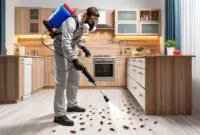
Seeing a cockroach may create the instinct to immediately spray it with an insecticide. While insecticides can be useful when used correctly, killing visible insects does not necessarily solve an infestation.
If food, moisture, shelter, and entry points remain available, additional cockroaches may continue to appear.
A better approach is to combine immediate control with environmental management. Identify why cockroaches are present and remove the conditions that allow them to remain.
When Should You Consider Professional Pest Control?
Professional pest control may be appropriate when cockroach activity is repeated, widespread, or difficult to control with ordinary household measures.
This is particularly relevant when cockroaches are appearing during the daytime, being found in several areas, or continuing to appear despite improvements in sanitation and maintenance.
A professional can assess the property, identify likely sources, and determine an appropriate control strategy.
Prevention Is an Ongoing Process
Cockroach prevention should not be treated as a one-time activity. Homes change over time, plumbing can develop leaks, food storage habits can change, and new entry points can appear.
Periodic inspection is therefore useful.
Homeowners can check kitchens, bathrooms, storage areas, plumbing spaces, and external entry points as part of normal property maintenance.
A Practical Prevention Routine
A simple routine can make cockroach prevention more manageable. Food should be stored in closed containers, spills should be cleaned promptly, garbage should be removed regularly, and dishes should not remain dirty for unnecessary periods.
Moisture problems should also be addressed, while cracks and gaps should be sealed where appropriate.
Storage areas should remain organized enough to allow regular inspection, particularly around appliances and plumbing.
These measures do not guarantee that a cockroach will never enter the home. However, they can make the environment less attractive and reduce opportunities for an infestation to become established.
Conclusion
Cockroaches enter homes for practical reasons: they can find food, water, shelter, and suitable environmental conditions. This means that simply killing individual cockroaches is rarely a complete solution.
Effective prevention requires a broader approach. Food should be stored properly, kitchen surfaces and hidden areas should be cleaned, household waste should be managed, leaks should be repaired, and unnecessary entry points should be sealed.
Homeowners should also avoid the assumption that cockroaches only occur because a house is dirty. Structural conditions, plumbing, neighboring properties, drainage, and external access can all influence pest activity.
The most effective strategy is therefore to address both the cockroach and the environment that allows it to survive. When food, moisture, shelter, and access are reduced, a home becomes less suitable for cockroaches and the likelihood of repeated pest activity can also decrease.

Dianna Bearden is a homeowner and DIY enthusiast who loves tackling household pests. She shares budget-friendly tips and proven tricks to reclaim your space from bugs.