
When someone in a household becomes sick with a viral infection, maintaining the home environment can become more challenging. Family members may share bedrooms, bathrooms, kitchens, furniture, and other household facilities, which can create opportunities for microorganisms to move between people. However, responding to an illness does not mean that every surface needs to be disinfected continuously. A more practical approach is to understand how the particular illness can spread and then focus household cleaning and hygiene efforts on the most relevant areas.
Keeping a home cleaner during a viral illness involves several basic practices, including regular hand hygiene, cleaning frequently touched surfaces, managing shared spaces, improving ventilation when appropriate, handling laundry carefully, and maintaining good food hygiene. These measures are not intended to guarantee that transmission will never occur. Instead, they can reduce unnecessary opportunities for viruses to move between household members while making the environment easier to manage.
Start by Understanding How the Virus Spreads
Before changing the cleaning routine, it is important to understand the likely transmission route of the infection. Different viruses spread in different ways, so the same household response may not be appropriate for every illness.
Some viruses primarily spread through respiratory particles, while others can be associated with contaminated food, water, surfaces, bodily fluids, or direct contact. Because of these differences, cleaning should be targeted rather than based on the assumption that every object in the home presents the same risk.
For example, if an illness primarily spreads through respiratory exposure, improving ventilation and reducing close contact may be more important than repeatedly disinfecting furniture. On the other hand, illnesses involving contaminated surfaces or bodily fluids may require more attention to specific areas.
Separate Personal Items When Practical
When someone is sick, household members can reduce unnecessary sharing of personal items. Drinking glasses, eating utensils, towels, toothbrushes, and other objects that come into close contact with the body can be kept separate when appropriate.
This does not mean that every personal object must be isolated from the rest of the household. The approach should depend on the nature of the illness and the likely transmission route.
The main purpose is to reduce unnecessary opportunities for direct or indirect transfer between household members.
Improve Ventilation
Ventilation can be particularly useful when dealing with respiratory infections. Spending long periods in an enclosed and poorly ventilated room can increase the concentration of respiratory particles released by an infected person.
When appropriate, windows can be opened to improve air exchange. Mechanical ventilation or exhaust fans can also be used according to the design of the home.
Ventilation should be balanced with local weather conditions, outdoor air quality, and household comfort. The objective is to improve indoor airflow rather than simply keeping windows open regardless of circumstances.
Focus on High-Touch Surfaces
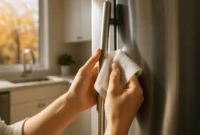
When someone is sick, frequently touched surfaces can receive additional attention. These may include door handles, light switches, faucets, toilet handles, remote controls, phones, tables, and other shared objects.
The exact importance of surface transmission depends on the virus. Not every virus remains infectious on surfaces for the same period, and some infections are primarily transmitted through other routes.
Nevertheless, maintaining high-touch surfaces is a reasonable part of general household hygiene, especially when combined with handwashing and other appropriate precautions.
Clean Before Disinfecting When Necessary
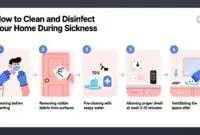
Cleaning and disinfection are not identical. Cleaning generally involves removing dirt, residues, and contaminants from a surface, while disinfection uses an appropriate product to reduce microorganisms.
When disinfection is appropriate, cleaning the surface first may be necessary because visible dirt or organic material can interfere with the effectiveness of some disinfecting products.
The exact procedure depends on the product being used. Homeowners should therefore follow the manufacturer’s instructions rather than assuming that all disinfectants work in exactly the same way.
Use Cleaning Products Correctly
A common mistake during illness is assuming that stronger cleaning means better protection. Using excessive amounts of chemicals does not necessarily improve disinfection and can create unnecessary risks.
Cleaning products should be used according to their labels. Recommended dilution, application method, contact time, and ventilation requirements should be followed.
Household chemicals should also never be mixed unless the manufacturer specifically states that they are compatible. Some combinations can produce hazardous gases or other dangerous reactions.
Pay Attention to the Bathroom
Bathrooms are often shared spaces and contain multiple high-contact surfaces. Faucets, sinks, toilet controls, door handles, and other fixtures can be included in the cleaning routine.
If possible, the person who is sick can use a separate bathroom. However, this is not realistic for many households.
When a bathroom must be shared, maintaining hand hygiene and cleaning commonly touched surfaces can help reduce unnecessary contamination. The bathroom should also have adequate ventilation to prevent excessive moisture.
Manage the Kitchen Carefully
The kitchen requires particular attention because food preparation involves direct contact between hands, utensils, surfaces, and ingredients.
Household members should wash their hands before preparing food and after activities that may involve contamination. Food should be stored appropriately, and kitchen surfaces should be cleaned after use.
When someone is sick, unnecessary sharing of food, drinking containers, and eating utensils should also be avoided when appropriate.
The goal is not to make the kitchen sterile. Instead, the objective is to reduce contamination opportunities while maintaining normal food hygiene.
Handle Food Properly
Food hygiene remains important during a household illness. Raw and ready-to-eat foods should be handled separately where practical, and food should be stored at appropriate temperatures.
Food preparation surfaces and utensils should be cleaned after use. Spills should also be removed promptly.
If the illness involves gastrointestinal symptoms or a transmission route associated with contaminated food or surfaces, food hygiene may become particularly important. In such situations, household members should follow relevant health guidance for the specific infection.
Handle Laundry Carefully
Clothing, towels, bedding, and other fabrics can become contaminated depending on the type of illness and the activities of the sick person.
Laundry should be handled according to appropriate hygiene recommendations. Heavily soiled materials should be handled carefully to minimize unnecessary contact.
There is generally no reason to shake contaminated laundry aggressively because doing so may spread particles into the surrounding environment. Instead, laundry should be moved and washed using an appropriate procedure for the material and type of contamination.
Wash Bedding and Towels Regularly
Bedding and towels can accumulate moisture, body fluids, and other materials during normal use. When someone is sick, these items may require additional attention.
Towels should be kept separate when appropriate, particularly when the illness may spread through close contact or bodily fluids.
Bedding should be changed and washed according to the circumstances. The specific washing requirements depend on the fabric and the nature of the contamination.
Manage Waste Properly
Waste generated during an illness may include used tissues, disposable cleaning materials, packaging, and other potentially contaminated items.
Waste should be placed in appropriate containers and removed regularly. Household members should wash their hands after handling waste.
If the illness involves significant bodily-fluid contamination, additional precautions may be required depending on the situation. Homeowners should avoid improvising with harsh chemicals when the type of contamination is unclear.
Wash Hands at Key Times
Hand hygiene remains one of the most important household practices during an illness. Hands should be washed before eating, before preparing food, after using the bathroom, after handling waste, and after caring for someone who is sick.
Hands should also be cleaned after coughing, sneezing, or blowing the nose when appropriate.
The purpose is to reduce the possibility that microorganisms are transferred from contaminated surfaces to the face, food, or other household objects.
Avoid Touching the Face Unnecessarily
People naturally touch their faces throughout the day without thinking about it. However, when someone has been in contact with contaminated surfaces, touching the eyes, nose, or mouth can provide a potential pathway for some infectious agents.
Reducing unnecessary face touching is therefore another reasonable hygiene habit.
This practice should not be treated as a replacement for handwashing. It is simply an additional behavior that can reduce opportunities for contamination.
Practice Respiratory Etiquette
If the illness is respiratory, coughing and sneezing should be managed appropriately. Covering the mouth and nose with a tissue or using the elbow when appropriate can reduce the release of respiratory material.
Used tissues should be disposed of promptly, and hands should be washed afterward.
Other household members should also avoid unnecessary close face-to-face contact with the sick person when practical.
Give the Sick Person a Separate Area
When the home allows it, creating a separate resting area for the sick person can reduce unnecessary close contact.
The person does not necessarily need to be isolated from the entire household. However, reducing prolonged close contact can be useful when the illness is known to spread through respiratory particles or direct contact.
The arrangement should consider the needs of the sick person, the size of the home, and the specific illness.
Do Not Overclean the Entire House
One of the biggest mistakes during illness is attempting to clean every surface continuously. This approach can consume significant time and may not provide meaningful additional protection.
Instead, cleaning should prioritize high-contact surfaces, shared facilities, food preparation areas, and surfaces that are visibly contaminated.
This targeted approach is more sustainable and allows household members to focus their efforts on measures that are more relevant to the transmission route.
Do Not Mix Cleaning Chemicals
Mixing cleaning chemicals is particularly dangerous. Some combinations can release toxic gases or produce other hazardous reactions.
For example, household bleach should not be mixed with incompatible cleaning products. Homeowners should always read product labels and use chemicals only as directed.
If a product requires ventilation or protective equipment, those instructions should not be ignored simply because the cleaning is being performed inside a home.
Keep Cleaning Tools Separate
Cleaning tools can themselves move contaminants between areas. A cloth used to clean a bathroom should not then be used to clean kitchen surfaces.
Separate cloths or cleaning materials can be assigned to different areas of the home. Reusable materials should be washed appropriately after use.
Sponges and cloths that remain wet for extended periods should also be maintained or replaced as necessary.
Keep Frequently Used Areas Organized
Clutter can make cleaning more difficult because it creates additional surfaces and spaces that are harder to access.
During an illness, keeping frequently used areas reasonably organized can make routine cleaning easier. Items that are not needed can be moved away from high-contact surfaces.
This does not mean that the entire home needs to be reorganized. The focus should be on shared areas that require regular cleaning.
Consider Children and Other Household Members
Children may have different hygiene habits from adults and may touch surfaces frequently without realizing it.
Household cleaning routines should therefore be practical and easy for everyone to follow. Handwashing can be encouraged at appropriate times, while shared objects can be cleaned regularly.
Other household members may also have different levels of vulnerability to certain infections. When this is relevant, appropriate medical or public-health guidance should be followed.
What If the Sick Person Has Recovered?
Cleaning should not necessarily stop immediately when symptoms improve. The appropriate duration depends on the specific illness and its transmission characteristics.
Household members should follow relevant health guidance regarding when a person is considered less likely to transmit the infection.
After the illness period, the household can return to its normal cleaning routine rather than continuing intensive disinfection indefinitely.
When Professional Cleaning May Be Appropriate
Most common household illnesses can be managed with ordinary cleaning and hygiene practices. Professional cleaning may become relevant in unusual situations involving extensive contamination, significant bodily-fluid exposure, or circumstances that cannot be safely managed with normal household equipment.
The need for professional assistance depends on the type and extent of contamination.
Homeowners should avoid using industrial-strength chemicals or unverified treatment methods simply because a situation appears serious.
Follow Reliable Health Guidance
Household cleaning advice should not replace medical guidance. If someone has a confirmed or suspected infectious disease, the appropriate precautions can depend heavily on the specific pathogen and symptoms.
Reliable health authorities, healthcare professionals, and product instructions are preferable sources of information to social media claims or unverified household remedies.
This is particularly important because advice that is appropriate for one virus may not be appropriate for another.
Create a Simple Temporary Routine
During illness, household members can use a temporary routine that focuses on the most important tasks.
This may include cleaning high-touch surfaces, washing hands regularly, maintaining ventilation, separating personal items when appropriate, managing food safely, and handling laundry carefully.
The routine should be simple enough to maintain even when household members are tired or busy caring for the sick person.
Return to Normal After the Illness
Once the illness has passed and appropriate health guidance indicates that additional precautions are no longer necessary, the household can return to its normal cleaning routine.
There is usually no need to continue intensive disinfection indefinitely.
The experience can instead be used to improve future household hygiene practices. Simple habits such as regular handwashing, cleaning high-contact surfaces, and maintaining good ventilation can remain part of normal household management.
Conclusion
Keeping a home cleaner during a viral illness does not require constant disinfection or attempting to make every surface sterile. A more effective approach is to understand how the particular virus spreads and then focus on the measures that address that transmission route.
Hand hygiene, ventilation, respiratory etiquette, appropriate cleaning of high-touch surfaces, safe food handling, careful laundry management, and reasonable separation of personal items can all contribute to a better household hygiene strategy.
The most important principle is targeted prevention rather than excessive cleaning. Disinfecting every object repeatedly may consume considerable time without addressing the main route of transmission. Similarly, using large amounts of cleaning chemicals can create unnecessary risks.
A practical household response should therefore be based on evidence, consistency, and the circumstances of the illness. By maintaining a manageable cleaning routine and following reliable health guidance, household members can reduce unnecessary transmission opportunities while keeping the home comfortable and functional.

Dianna Bearden is a homeowner and DIY enthusiast who loves tackling household pests. She shares budget-friendly tips and proven tricks to reclaim your space from bugs.