
Bacteria are microscopic organisms that exist almost everywhere around us. They can be found in the air, water, soil, food, household surfaces, and even inside the human body. Not all bacteria are harmful. In fact, many types of bacteria play an important role in nature and human health. However, certain harmful bacteria can cause infections, contaminate food, and create health problems when they multiply in the wrong environment.
Inside a home, bacteria can spread through everyday activities without people realizing it. Preparing raw food, touching frequently used surfaces, handling garbage, using the bathroom, and bringing items inside from outdoors can all introduce bacteria into the living environment. Because bacteria cannot usually be seen with the naked eye, a surface may appear clean while still carrying microorganisms.
Understanding where bacteria commonly come from and how they spread is an important part of maintaining a healthier home. The goal is not to create a completely bacteria-free environment, because that would be unrealistic and unnecessary. Instead, effective hygiene focuses on reducing harmful bacteria and preventing them from spreading to food, hands, and frequently used surfaces.
This article explains common sources of bacteria in the home, the potential health risks they can create, and practical ways to prevent bacterial contamination in everyday life.
What Are Bacteria?
Bacteria are single-celled microorganisms that are too small to be seen without a microscope. They exist in a wide variety of environments and can survive under different conditions. Some bacteria are beneficial, while others can cause disease.
For example, certain bacteria help the human digestive system function properly. Other bacteria are used in food production, including yogurt and fermented products. However, harmful bacteria can cause illnesses when they enter the body through contaminated food, water, wounds, or other sources.
Some well-known harmful bacteria include Salmonella, Escherichia coli (E. coli), Listeria, and Staphylococcus. These bacteria can cause different health problems depending on the type of exposure and the person’s overall health.
Bacteria can reproduce quickly when they have the right conditions. Moisture, warmth, nutrients, and time can create an environment where bacterial populations increase rapidly. This is one reason why food safety and proper cleaning are important inside the home.
Where Do Bacteria Commonly Come From in the Home?
Bacteria can enter the home in many ways. People often focus on obvious areas such as bathrooms and garbage bins, but bacteria can also be present in places that appear clean and harmless.
One of the most common sources is food. Raw meat, poultry, seafood, eggs, and unwashed fruits and vegetables can carry bacteria. If these foods are handled incorrectly, bacteria may spread to cutting boards, kitchen counters, utensils, and other foods.
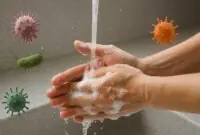
Human hands are another major source of bacterial transfer. Hands touch phones, door handles, keyboards, shopping carts, public surfaces, and many other objects throughout the day. Without proper handwashing, bacteria can easily move from one surface to another.
Pets can also bring bacteria into the home through their paws, fur, food bowls, and waste. This does not mean pets are unhealthy or unsafe, but regular cleaning and proper hygiene are necessary to reduce unnecessary contamination.
Moist environments are particularly important because many microorganisms can thrive in areas with regular moisture. Kitchen sinks, bathroom surfaces, sponges, towels, drains, and humid areas may provide conditions that allow bacteria to survive or multiply.
Suggested Image for This Section: A kitchen sink, sponge, cutting board, and faucet being cleaned to illustrate common household areas where bacteria may be present.
The Kitchen: One of the Most Important Areas for Bacterial Control
The kitchen is one of the most important places to control bacterial contamination because food is prepared and consumed there. Even a small mistake in food handling can allow harmful bacteria to spread.
Raw meat and poultry should be handled carefully because their juices may contain harmful bacteria. When these juices come into contact with kitchen surfaces, utensils, or ready-to-eat food, cross-contamination can occur.
For example, using the same cutting board for raw chicken and vegetables without properly washing it can transfer bacteria to food that may not be cooked afterward. This is why separating raw food from ready-to-eat food is an important food safety practice.
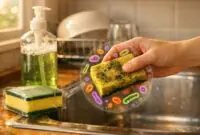
Kitchen sponges can also become heavily contaminated because they are often wet and contain food particles. A sponge may be used to clean dishes and surfaces, but if it is not cleaned or replaced regularly, it can spread bacteria instead of removing them.
The kitchen sink should also receive regular attention. Food particles and moisture can collect around drains and sink surfaces, creating an environment where microorganisms may survive.
Maintaining a clean kitchen does not require excessive chemical use. Regular cleaning, proper food storage, handwashing, and avoiding cross-contamination are some of the most effective steps.
Bathroom Surfaces and Bacterial Contamination
Bathrooms are another common area where bacteria can spread. Toilets, sinks, faucets, door handles, and frequently touched surfaces can all carry microorganisms.
The toilet itself is an obvious area for cleaning, but people sometimes forget about surfaces that are touched regularly. Light switches, flush handles, faucet handles, and door handles may collect bacteria because they are frequently touched before and after handwashing.
Hand hygiene is particularly important in bathrooms. Washing hands properly with soap and water helps remove many microorganisms and reduces the chance of transferring them to other areas of the home.
Bathroom towels should also be washed regularly, especially when they remain damp for long periods. Moist towels can become an environment where microorganisms survive more easily.
Ventilation is another important factor. Bathrooms with poor airflow may remain damp for longer periods, creating conditions that encourage the growth of various microorganisms. Opening windows when possible or using proper ventilation can help reduce excessive moisture.
Suggested Image for This Section: A person cleaning a bathroom faucet and frequently touched surfaces with a household cleaning product.
How Bacteria Spread From One Surface to Another
One of the biggest problems with bacteria is that they can spread through indirect contact. A person does not need to touch contaminated food directly to transfer bacteria.
For example, someone may handle raw meat and then touch a refrigerator handle without washing their hands. Another person may later touch the refrigerator handle and then prepare food. This process can allow bacteria to move through multiple surfaces.
Mobile phones are another example. People touch their phones throughout the day, including after being outside, eating, working, or visiting public places. Because phones are frequently handled but not always cleaned, they can collect microorganisms over time.
Door handles, remote controls, keyboards, light switches, and shared household items can also become points of contact where bacteria may be transferred.
This does not mean every surface needs to be disinfected constantly. Excessive cleaning can become impractical and unnecessary. The focus should be on high-touch areas and situations where harmful bacteria are more likely to be present.
Regular handwashing remains one of the simplest and most effective ways to interrupt the spread of bacteria.
The Importance of Proper Handwashing
Handwashing is one of the most basic hygiene practices, but it remains extremely important. Hands come into contact with countless surfaces every day, making them one of the main ways bacteria can spread.
Hands should be washed before preparing food, before eating, after using the bathroom, after handling garbage, after touching raw meat, and after cleaning potentially contaminated surfaces.
Proper handwashing involves using soap and clean water while rubbing all parts of the hands, including between the fingers and around the nails. Simply rinsing hands quickly with water may not remove as much contamination.
Hand sanitizer can be useful when soap and water are not available, but it should not always replace proper handwashing. When hands are visibly dirty or contaminated with certain materials, washing with soap and water is generally the better option.
Encouraging consistent handwashing habits throughout the household can significantly reduce the transfer of bacteria between people, surfaces, and food.
Food Storage and Bacterial Growth
Improper food storage can create conditions that allow harmful bacteria to multiply. Temperature is one of the most important factors.
Perishable foods should not be left at room temperature for long periods. Refrigeration helps slow bacterial growth, while proper cooking can reduce many harmful bacteria in food.
Raw meat should be stored carefully to prevent its juices from contaminating other foods. Keeping raw meat in sealed containers or properly packaged areas of the refrigerator can reduce the risk of cross-contamination.
Leftover food should also be stored safely and reheated properly before consumption. Food that has been sitting out for an extended period may provide an opportunity for bacteria to multiply.
It is also important to pay attention to expiration dates and signs of spoilage. However, food can sometimes contain harmful bacteria even when it does not look or smell spoiled. Proper storage and handling should therefore be part of everyday food preparation.
Suggested Image for This Section: An organized refrigerator showing properly separated food, with raw meat stored separately from fruits and ready-to-eat items.
Cleaning vs. Disinfecting: What Is the Difference?
Many people use the words “cleaning” and “disinfecting” as though they mean the same thing, but they have different purposes.
Cleaning generally involves removing dirt, food residue, grease, and other materials from a surface. This process can also reduce the number of microorganisms present.
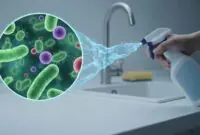
Disinfecting involves using an appropriate product or method to reduce or destroy certain microorganisms on a surface. Disinfecting is particularly useful after cleaning areas that may have been exposed to harmful bacteria.
Not every surface needs to be disinfected every day. Regular cleaning is usually sufficient for many household areas. Disinfection may be more important after handling raw meat, cleaning up bodily fluids, dealing with illness in the household, or cleaning frequently touched surfaces when necessary.
It is also important to follow product instructions. Using more disinfectant than recommended does not automatically improve results. Some products require the surface to remain wet for a certain amount of time to work effectively.
Always use cleaning and disinfecting products safely and keep them away from children and pets when required.
Common Household Items That May Contain Bacteria
Some household items are frequently overlooked during cleaning. Because they are used regularly, bacteria can accumulate on them over time.
Kitchen sponges are one example. Their combination of moisture and food residue can create an environment where microorganisms survive. Replacing or cleaning them regularly can help reduce contamination.
Reusable water bottles should also be cleaned thoroughly, especially around the lid and drinking area. These areas may remain moist and can collect residue.
Remote controls, computer keyboards, phones, and door handles are frequently touched but often forgotten during routine cleaning.
Pet food and water bowls should also be cleaned regularly. Food residue and moisture can encourage bacterial growth if bowls are left unwashed for long periods.
Laundry baskets, bathroom bins, and garbage containers may also need regular cleaning, particularly if they contain damp materials or food waste.
The goal is not to become obsessed with sterilizing every object in the home. Instead, understanding which items are frequently touched or exposed to moisture can help create a practical cleaning routine.
How to Reduce Bacteria in Your Home
Reducing harmful bacteria does not require turning your home into a laboratory. Simple and consistent habits are usually more effective than occasional extreme cleaning.
Start by creating a regular cleaning routine for kitchens and bathrooms. Focus on areas that are frequently touched and places where food or moisture can collect.
Wash hands regularly and encourage everyone in the household to do the same. Hand hygiene can prevent bacteria from moving from one location to another.
Keep raw food separate from ready-to-eat food. Use different cutting boards when possible, or thoroughly wash and sanitize them between uses.
Replace kitchen sponges and cleaning cloths regularly. Allow towels and other reusable cleaning materials to dry properly after use.
Store food at appropriate temperatures and avoid leaving perishable food outside refrigeration for extended periods.
Keep garbage containers clean and remove household waste regularly. Food waste can attract other pests as well, which may create additional hygiene concerns.
Finally, pay attention to moisture. Repair leaks, improve ventilation, and avoid allowing wet areas to remain damp for long periods.
Suggested Image for This Section: A person following a practical home cleaning routine, including wiping high-touch surfaces and washing hands.
Can Pests Spread Bacteria?
Yes, certain pests can contribute to the spread of bacteria. Flies, cockroaches, rodents, and other pests may move between garbage, drains, waste, and household surfaces.
For example, a cockroach may travel through contaminated areas before moving across kitchen counters or food preparation surfaces. Flies can also land on waste and later come into contact with food.
Rodents may contaminate food and surfaces through their urine, droppings, or contact with stored products.
This is why proper pest management is connected to household hygiene. Keeping food properly stored, removing garbage, sealing entry points, and addressing pest activity can help reduce the risk of contamination.
If there are signs of a serious pest infestation, dealing with the source of the problem is important. Simply cleaning contaminated surfaces without addressing the pest activity may allow the problem to continue.
When Should You Be Concerned About Bacteria?
Most bacteria encountered in daily life do not automatically cause illness. However, certain situations require additional attention.
Food contamination is one major concern, particularly when raw meat, eggs, seafood, or improperly stored food is involved. People with weakened immune systems, older adults, young children, and pregnant individuals may also be more vulnerable to certain bacterial infections.
A persistent foul smell, visible contamination, spoiled food, sewage problems, or standing water may also indicate conditions that require immediate cleaning or professional assistance.
If someone experiences severe or persistent symptoms after suspected food contamination or exposure to harmful bacteria, appropriate medical advice should be sought.
For household environments, prevention remains the most practical strategy. Maintaining proper hygiene and food safety habits is usually easier than dealing with the consequences of bacterial contamination later.
Final Thoughts
Bacteria are a normal part of the world around us, and not all bacteria are harmful. However, harmful bacteria can spread through food, hands, household surfaces, moisture, and contact with contaminated materials.
The most effective approach is not excessive cleaning but smart hygiene. Focus on proper handwashing, safe food preparation, regular cleaning, moisture control, and attention to frequently touched surfaces.
The kitchen and bathroom should receive particular attention because they often provide opportunities for bacteria to spread. Preventing cross-contamination, cleaning food preparation areas, washing reusable items, and storing food properly can significantly reduce potential risks.
It is also important to remember that household hygiene and pest control are connected. Pests can move through contaminated areas and potentially spread bacteria to food and surfaces. Maintaining a clean environment while addressing pest problems can help create a healthier home.
By building simple and consistent habits into your daily routine, you can reduce harmful bacteria without making household cleaning unnecessarily complicated. A practical approach to hygiene is often the most sustainable one, helping you protect your home, your food, and the people who live there.

Dianna Bearden is a homeowner and DIY enthusiast who loves tackling household pests. She shares budget-friendly tips and proven tricks to reclaim your space from bugs.