
Pests are a common problem in many homes. They can appear in a clean house, an apartment, an office, or almost any type of building. Sometimes you may notice only one or two insects, while in other cases, pests can become a regular problem that is difficult to control.
Most household pests enter a property because they are looking for something they need to survive. Food, water, warmth, and shelter are some of the main reasons pests are attracted to homes. Small cracks, open windows, damaged screens, and gaps around pipes can also give pests an easy way to get inside.
The good news is that homeowners can take many simple steps to reduce the chances of a pest problem. Understanding common pests, knowing what attracts them, and keeping an eye out for early warning signs can make a big difference.
What Are Household Pests?
Household pests are unwanted insects, rodents, or other small creatures that enter or live around a home. Some pests may simply be annoying, while others can damage property, contaminate food, or create an unhealthy living environment.
Common household pests include ants, cockroaches, flies, mosquitoes, spiders, mice, rats, and bed bugs. Each pest has its own behavior, preferred environment, and way of getting into a building.
For example, ants are often attracted to sugary foods and crumbs. Cockroaches usually prefer warm, dark, and damp areas. Mice and rats look for food, water, and places where they can hide. Bed bugs tend to stay close to areas where people sleep or rest.
Because every pest is different, the right solution depends on the type of pest and the reason it has entered the home.
Why Do Pests Enter the Home?
One of the most important things to understand about pests is that they usually do not enter a home without a reason.
Food is one of the biggest attractions. Crumbs on the floor, leftover food, open packages, pet food, and household garbage can provide easy meals for insects and rodents.
Water is another major reason. A leaking faucet, dripping pipe, damp basement, or standing water can create an environment that attracts pests.
Shelter is also important. Pests need safe places to hide from people, weather, and predators. Cluttered storage areas, cracks in walls, spaces behind appliances, and unused boxes can provide excellent hiding places.
The temperature inside a home can also be attractive. During very hot or cold weather, some pests may look for a more comfortable environment indoors.
Understanding these reasons is useful because pest prevention is often about making the home less attractive to them.
Common Household Pests
There are many different types of pests that homeowners may encounter. Some are more common in certain areas or seasons, but several can appear almost anywhere.
Ants
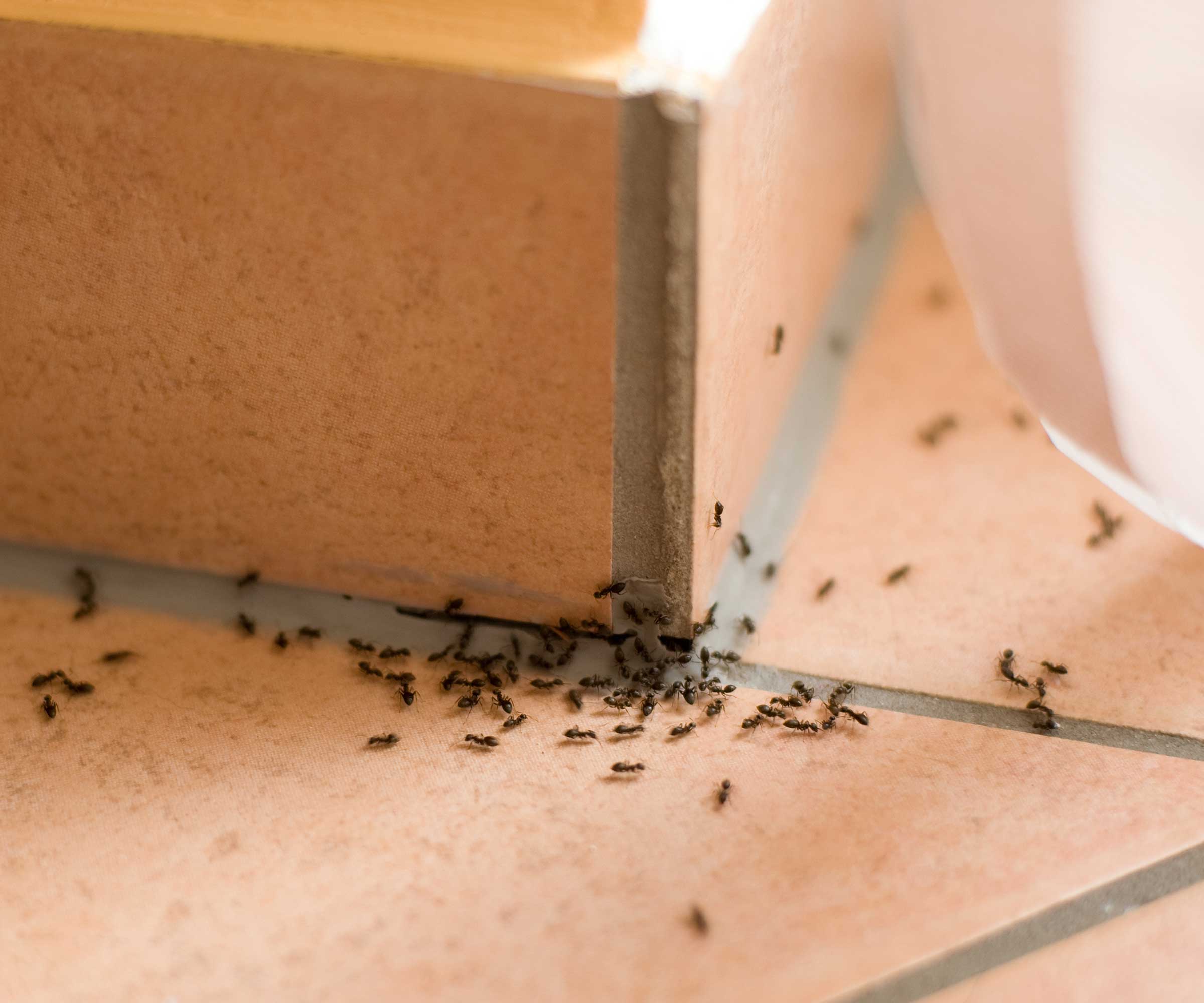
Ants are among the most common household pests. They are often noticed in kitchens and dining areas because they are attracted to food.
A small amount of sugar, juice, crumbs, or other food residue can be enough to attract ants. Once one ant finds a reliable food source, other ants may follow the same path.
If you see a line of ants moving through your home, try to find where they are coming from. Cleaning the food source and sealing possible entry points can help reduce their activity.
Cockroaches
Cockroaches are another common household pest. They prefer dark, warm, and damp places and can hide behind appliances, inside cabinets, under sinks, and around pipes.
They are particularly attracted to kitchens because food and water are often available there.
Seeing cockroaches regularly may indicate a larger problem, especially if they are appearing in different areas of the home.
Flies
Flies are usually attracted to food, garbage, and organic waste. Leaving food uncovered or allowing garbage to remain inside for too long can increase fly activity.
Keeping food covered, cleaning spills quickly, and taking out garbage regularly can help make the home less attractive to flies.
Mice and Rats
Rodents can enter homes through surprisingly small openings. They may hide behind walls, under cabinets, in attics, garages, or other quiet areas.
Signs of rodents can include droppings, damaged food packaging, gnaw marks, scratching sounds, and unusual smells.
If you notice several of these signs, it is worth investigating the problem instead of waiting for the rodents to become more active.
Bed Bugs
Bed bugs are small insects that commonly hide around mattresses, bed frames, furniture, and other areas where people rest.
They can enter homes through luggage, clothing, used furniture, and personal belongings. A bed bug problem is not necessarily related to poor cleanliness, and even a very clean home can experience an infestation.
Because bed bugs are difficult to see and can hide in small spaces, early inspection is important.
Signs That You May Have a Pest Problem
Not all pest problems begin with seeing a large number of pests. In many cases, there are smaller warning signs first.
Droppings are one common sign, especially when dealing with rodents or cockroaches. You may find them inside cabinets, behind appliances, near walls, or around food storage areas.
You may also notice damaged food packages, holes in materials, nests, eggs, shed insect skins, or unusual smells.
Strange sounds can also be a warning sign. Scratching or movement inside walls or ceilings may indicate that rodents or other animals are hiding nearby.
If you repeatedly notice these signs, do not assume they will disappear on their own. Finding the source early can make pest control much easier.
Keep Your Kitchen Clean
The kitchen should be one of the main areas of focus when preventing household pests.
Food crumbs and spills should be cleaned as soon as possible. Dirty dishes should not be left sitting for long periods, particularly overnight.
Store dry foods in sealed containers instead of leaving opened packages exposed. This includes products such as cereal, flour, sugar, rice, snacks, and pet food.
Garbage should also be removed regularly. Use a bin with a lid when possible, and clean the area around the garbage container if food or liquid has spilled.
It is also worth cleaning areas that are often forgotten, such as underneath refrigerators, behind appliances, inside cabinets, and around kitchen corners.
Control Moisture Around the Home
Moisture can attract many types of pests. Bathrooms, kitchens, basements, laundry rooms, and areas under sinks should be checked regularly.
Look for dripping faucets, leaking pipes, damp cabinets, and water collecting on floors.
If you discover a leak, repair it as soon as possible. A small water problem may seem unimportant, but continuous moisture can create an environment that pests find attractive.
Good ventilation is also helpful. Bathrooms and kitchens should have enough airflow to prevent excessive moisture from remaining in the room.
Reduce Clutter and Hiding Places
Pests prefer areas where they can hide undisturbed.
Cardboard boxes, piles of paper, unused furniture, old clothing, and other stored items can create hiding places for insects and rodents.
Try to keep storage areas organized. Avoid allowing items to pile up on the floor, particularly in garages, basements, attics, and storage rooms.
Regularly inspect stored items, especially if they have not been moved for a long time.
A clean and organized storage area is easier to inspect and makes it easier to notice signs of pests.
Seal Possible Entry Points
Preventing pests from entering your home is often easier than dealing with them after they have established themselves inside.
Inspect the outside of the property for cracks, holes, and gaps. Pay attention to areas around doors, windows, pipes, vents, foundations, and utility lines.
Make sure doors close properly and window screens are not damaged.
Even small openings can give insects and rodents a way inside. Sealing these areas can reduce the number of opportunities pests have to enter.
Take Care of the Area Around Your Home
Pest prevention should not stop indoors. The area surrounding your home can also affect pest activity.
Keep outdoor areas reasonably clean and remove unnecessary piles of leaves, wood, cardboard, or other materials that could provide shelter.
Avoid allowing plants and vegetation to become heavily overgrown around the building.
Check outdoor areas for standing water, especially after rain. Containers, buckets, old equipment, and other objects can collect water and attract insects.
Keeping the area around the home tidy can reduce some of the conditions that encourage pests to stay close to the building.
Should You Handle Pests Yourself?
Some minor pest problems can be reduced through cleaning, organization, and basic prevention.
For example, removing food sources may help with a small ant problem. Cleaning garbage areas and improving food storage can also reduce fly or cockroach activity.
However, not every pest problem is easy to solve without professional help.
If pests continue to appear despite your efforts, there may be a nest or infestation hidden somewhere that you cannot see.
Repeatedly treating visible pests without finding the source may only provide a temporary solution.
When Should You Contact a Pest Control Professional?
Professional assistance may be useful when a pest problem becomes persistent or difficult to identify.
Consider getting professional help if you see pests regularly, find signs in several rooms, discover nests or eggs, hear rodents inside walls, or continue to find droppings after cleaning.
A professional can inspect the property and look for areas that may be difficult for homeowners to reach.
This can help identify not only the pests themselves but also the conditions that are allowing them to survive and reproduce.
Prevention Is Better Than Waiting for an Infestation
One of the biggest mistakes homeowners can make is waiting until a pest problem becomes obvious.
By the time you see pests regularly, they may already have established a hiding or breeding area.
Regular cleaning, proper food storage, moisture control, and property maintenance can reduce many common pest risks.
It is also helpful to perform simple inspections from time to time. Check under sinks, behind appliances, inside cabinets, around windows, and in storage areas.
These checks do not take much time, but they can help you notice problems early.
Final Thoughts
Household pests can be frustrating, but they do not have to become a permanent problem. The first step is understanding what type of pest you are dealing with and why it has entered your home.
Food, water, shelter, and easy access are some of the most common reasons pests are attracted to a property. By keeping food stored properly, cleaning regularly, controlling moisture, reducing clutter, and sealing possible entry points, you can make your home less attractive to unwanted pests.
It is also important to pay attention to early warning signs. Droppings, damaged food, nests, unusual smells, scratching sounds, or repeated pest sightings should not be ignored.
When a pest problem continues or becomes difficult to manage, professional pest control can help identify the source and provide a more complete solution.
A pest-free home does not require perfection. It requires regular attention, good habits, and quick action when a problem appears.

Dianna Bearden is a homeowner and DIY enthusiast who loves tackling household pests. She shares budget-friendly tips and proven tricks to reclaim your space from bugs.