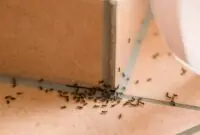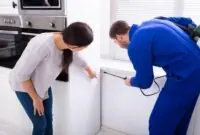
Pest problems are a common concern in residential areas. Insects and other unwanted animals can enter a house for several reasons, particularly when they can easily find food, water, or a place to hide. If these conditions remain available, pests may continue to return even after the visible insects have been removed.

Ants, cockroaches, mosquitoes, flies, termites, and rodents are some examples of pests that can be found around homes. Each type has different characteristics and behavior, but many of them are influenced by similar environmental conditions. Poor sanitation, standing water, food waste, structural gaps, and excessive clutter can make a house more suitable for pests.
For this reason, pest prevention should not only focus on removing pests after they appear. A preventive approach is generally more useful because it addresses the conditions that may attract pests in the first place. Simple changes in household maintenance can reduce the possibility of pest activity without requiring major changes to the home.
Keep Food Stored Properly
Food is one of the main factors that can attract pests into a house. Small food particles, spilled drinks, and open food packages may provide enough resources for insects to survive.
Dry food such as rice, flour, cereal, sugar, and snacks should be stored in tightly closed containers whenever possible. This method not only helps maintain food quality but also reduces the opportunity for insects to reach the food.
Food residue should also be cleaned after meals. For example, crumbs on a dining table or kitchen floor may appear insignificant, but they can become a source of food for ants and other insects.
Pet food should receive similar attention. If food is left in an open container for many hours, it can become an additional attraction for pests. Therefore, household members should manage pet food according to the feeding schedule and keep unused food properly stored.
The main principle is relatively simple: if pests have limited access to food, the environment becomes less attractive to them.
Manage Household Waste Regularly
Household waste is another condition that can support pest activity. Food leftovers, organic waste, and used food packaging can attract insects and rodents, especially when garbage is left for a long period.
Trash containers should be emptied regularly. Containers that are used for food waste should also be cleaned when necessary so that food residue does not remain inside.
It is also important to keep garbage containers closed. A container with an open lid may allow insects to access its contents and can also produce odors that attract pests.
The area around the trash container should not be ignored. If food or liquid is spilled around it, the area should be cleaned as soon as possible.
Proper waste management is therefore not only related to cleanliness. It can also become part of a preventive strategy for reducing pest activity around the house.
Remove Standing Water
Water is another environmental factor that needs attention, particularly when dealing with mosquitoes. Mosquitoes can use stagnant water as a place to reproduce.
Homeowners should regularly check areas where water can accumulate. These areas may include buckets, plant pots, unused containers, gutters, drains, and outdoor equipment.
Rainwater should also be removed from objects that can hold it. Sometimes the amount of water may be very small, but if it remains undisturbed for a sufficient period, it may still create suitable conditions for mosquito breeding.
Indoor leaks should not be ignored either. A leaking faucet, pipe, or toilet can create continuous moisture and may contribute to other pest-related problems.
Regular inspection is therefore a relatively simple step that can reduce unnecessary sources of water around the home.
Seal Gaps and Small Openings
Some pests can enter a house through very small openings. Gaps around doors, windows, pipes, walls, and ventilation areas may become access points for insects or rodents.
A basic inspection can be carried out around areas where the interior connects directly with the outside environment. Homeowners can look for visible cracks, damaged seals, or openings that appear large enough for pests to pass through.
Doors and windows should close properly. If there are noticeable gaps, suitable sealing materials can be considered.
Cracks in walls should also be monitored, especially when pest activity is repeatedly observed near the same location.
The purpose of this inspection is not to eliminate every small imperfection in the building. Instead, the objective is to reduce practical access points that may contribute to recurring pest problems.
Maintain the Kitchen
The kitchen requires particular attention because it provides several things that pests need, including food, water, and shelter.
Kitchen counters should be cleaned after food preparation. Floors should also be checked for crumbs, spilled liquids, or other food residue.
Cabinets and storage areas should be inspected occasionally. Food that has been stored for a long time should be checked for signs of contamination or insect activity.
Another area that is sometimes overlooked is the space behind and underneath kitchen appliances. Refrigerators, ovens, and cabinets can create dark and relatively undisturbed areas where insects may hide.
Regular cleaning does not guarantee that pests will never appear. However, it can reduce the resources available to them and make unusual activity easier to notice.
Keep Bathrooms Dry
Bathrooms can also become favorable areas for certain pests because they naturally contain moisture.
After using the bathroom, standing water should be removed when practical. Leaking faucets, pipes, and other plumbing problems should be repaired instead of being left for an extended period.
Drainage should also work properly. Slow drains, unpleasant odors, or repeated insect activity near drains may indicate that further inspection is necessary.
Maintaining a dry and properly functioning bathroom is therefore useful not only for hygiene but also for reducing environmental conditions that may support pests.
Maintain Outdoor Areas
Pest prevention should not stop at the front door. Outdoor areas can influence the number of pests that eventually enter a house.
Overgrown vegetation, piles of leaves, unused containers, and accumulated materials can provide hiding places for insects and rodents.
Plants do not have to be removed simply because insects may live around them. Instead, vegetation should be maintained so that it does not create excessive shelter immediately next to the house.
Materials such as firewood, cardboard, and construction leftovers should also be organized properly. Leaving these materials undisturbed for a long time can create additional hiding areas.
A well-maintained outdoor environment can therefore support the overall pest prevention strategy.
Inspect Items Before Bringing Them Indoors
Pests can sometimes enter a house through objects that are brought from outside.
Cardboard boxes, used furniture, gardening materials, bags, and storage containers may contain insects or provide temporary hiding places.
For this reason, used items should be inspected before being placed inside the home. This is particularly relevant for second-hand furniture and materials that have previously been stored in warehouses, garages, or outdoor areas.
Cardboard packaging should also be managed properly rather than being accumulated indoors for long periods.
This preventive step is relatively simple and can reduce one of the possible pathways through which pests enter a home.
Pay Attention to Early Signs
Early detection can make pest management easier. Homeowners should therefore pay attention to unusual signs rather than waiting until the problem becomes obvious.
Possible signs include repeated sightings of the same insect, droppings, damaged materials, nests, insect remains, unusual odors, or holes in certain parts of the building.
Finding one insect does not automatically mean that a serious infestation exists. However, repeated activity in the same area deserves further attention.
The source of the problem should be considered. For example, repeated ants may indicate an accessible food source, while repeated mosquitoes may suggest the presence of standing water nearby.
When the problem is widespread or difficult to identify, professional pest management may be more appropriate.
Use Chemical Products Carefully
Chemical pest control products can be useful in certain situations, but they should not always be the first response.
Preventive measures such as cleaning, sealing openings, managing waste, and removing standing water address the environmental conditions that support pests.
When chemical products are necessary, they should be used according to the instructions provided by the manufacturer. Applying a larger amount does not automatically produce better results.
Incorrect use can create unnecessary exposure for household members, pets, and the surrounding environment.
Therefore, chemical treatment should be considered as one part of pest management rather than the only available solution.
Develop a Regular Inspection Habit
Pest prevention becomes more effective when it is included in routine household maintenance.
Homeowners can periodically inspect the kitchen, bathroom, storage areas, doors, windows, drains, and outdoor spaces. The inspection does not need to take a significant amount of time.
The main objective is to identify conditions that may later become a problem, such as leaks, cracks, standing water, or signs of pest activity.
Small problems are generally easier to address before they develop into larger infestations.
Conclusion
Preventing pests from entering a home requires more than simply removing insects when they become visible. A more effective approach is to reduce the environmental conditions that allow pests to find food, water, shelter, and access.
Proper food storage, regular waste management, removal of standing water, structural maintenance, and routine cleaning can all contribute to this effort.
Outdoor areas should also be maintained because the conditions around a house can influence what enters the building. In addition, household items should be inspected before being brought indoors.
The most important point is consistency. Pest prevention does not depend on one major action. Instead, it is the result of several small maintenance activities that are performed regularly.
By maintaining the home and responding to early signs of pest activity, homeowners can reduce the likelihood of larger pest problems and create a cleaner and more comfortable living environment.

Dianna Bearden is a homeowner and DIY enthusiast who loves tackling household pests. She shares budget-friendly tips and proven tricks to reclaim your space from bugs.