
Viruses can spread quickly inside a home. Family members often share rooms, surfaces, and everyday items. As a result, one sick person can sometimes pass an infection to others without realizing it.
Unlike insects or other household pests, viruses cannot usually be seen. This makes it difficult to know when an object or surface may carry infectious material.
Fortunately, there are simple ways to prevent viruses from spreading at home. Regular handwashing, cleaning high-touch surfaces, good ventilation, and sensible habits when someone is sick can all help.
What Are Viruses?
Viruses are very small infectious agents. They enter living cells and use those cells to make more copies of themselves.
Different viruses can cause different illnesses. Some cause mild respiratory infections, while others can lead to more serious diseases.
However, not all viruses spread in the same way. Some spread mainly through respiratory particles. Others can spread through contaminated hands and surfaces. Certain viruses can also spread through food, water, or other types of contact.
For this reason, knowing how a specific virus spreads is important. Prevention works best when it targets the main route of transmission.
How Do Viruses Enter the Home?
A virus can enter your home in several everyday ways. Often, an infected person brings it home after spending time outside.
For example, they may have been at work, school, a shop, on public transportation, or in another crowded place. Once they return home, close contact with family members can create opportunities for the virus to spread.
Hands can also play a role. A person may touch a contaminated object and then touch their nose, mouth, or eyes.
Common household items can be touched many times throughout the day. These include:
- Door handles
- Light switches
- Faucets
- Remote controls
- Phones
- Tables
- Keyboards
Therefore, good hand hygiene is an important part of household infection prevention.
How Do Viruses Spread From Person to Person?
The way a virus spreads depends on the type of virus.
For example, respiratory viruses can spread when an infected person coughs, sneezes, talks, or breathes. The risk can increase when people spend a long time together in a poorly ventilated room.
Close contact is especially important in a household. Bedrooms, living rooms, dining areas, and other shared spaces can bring people together for long periods.
If someone is sick, try to reduce unnecessary close contact. At the same time, improve airflow and keep frequently touched surfaces reasonably clean.
Some viruses can also spread through contaminated hands or objects. However, surface transmission is not equally important for every virus.
For that reason, cleaning should be combined with other healthy habits rather than used as the only way to prevent infection.
Which Household Surfaces Should You Clean?
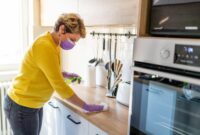
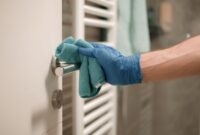
Some household surfaces receive much more contact than others. These high-touch surfaces deserve extra attention, especially when someone at home is sick.
Common examples include:
- Door and cabinet handles
- Light switches
- Faucets
- Toilet handles
- Tables
- Remote controls
- Phones
- Keyboards
You do not need to disinfect every surface constantly. In fact, over-cleaning can make household cleaning harder to maintain.
Instead, focus on areas that people touch frequently. Increase cleaning or disinfection when someone in the home has an infectious illness.
Also, choose cleaning products carefully. Follow the instructions on the product label. Never mix different cleaning chemicals because some combinations can produce dangerous fumes.
Why Is Handwashing Important?
Handwashing is one of the simplest ways to prevent viruses from spreading at home.
People touch their faces, phones, food, doors, and other objects throughout the day. Often, they do this without thinking about it.
Washing your hands can remove germs picked up from people, surfaces, and objects. This can reduce the chance of transferring them to your mouth, nose, or eyes.
Wash your hands with soap and water:
- Before preparing or eating food
- After using the bathroom
- After coughing or sneezing
- After caring for someone who is sick
- After returning home from a public place
When soap and water are not available, an appropriate alcohol-based hand sanitizer can be useful when suitable for the situation.
Most importantly, handwashing should become a daily habit. It should not only happen when someone in the household is already sick.
Cleaning vs. Disinfecting: What Is the Difference?
Cleaning and disinfecting are not the same thing.
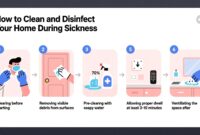
Cleaning removes dirt, dust, food residue, and other unwanted material from a surface. Disinfecting uses a product designed to reduce or eliminate certain microorganisms when used correctly.
Regular cleaning is useful even when everyone in the home is healthy. It helps keep the household clean and removes materials that can contribute to the buildup of germs.
Disinfecting may be more useful for certain high-touch surfaces when someone has an infectious illness.
However, the product, amount, contact time, and surface all matter. Always follow the manufacturer’s instructions.
A strong-smelling cleaner is not necessarily a better cleaner. Using more chemicals does not automatically produce better results.
Instead, use the right product in the correct way.
How Can Ventilation Help?
Good ventilation can help reduce the buildup of respiratory particles indoors.
When windows and doors remain closed for long periods, indoor air may not be replaced with fresh outdoor air as effectively. Depending on the home and situation, opening windows or using an appropriate ventilation system can improve airflow.
Air filtration may also be useful in some indoor spaces.
Ventilation can be especially helpful when several people spend a long time together in the same room. If someone is sick, increasing fresh-air exchange where practical can be one part of a broader prevention strategy.
However, ventilation is not a replacement for other precautions. It works best alongside good hygiene and sensible behavior.
What Should You Do When Someone Is Sick at Home?
When someone becomes sick, reducing unnecessary close contact can help protect other household members.
If possible, the sick person can spend more time in a separate room. They should also avoid sharing personal items such as:
- Drinking glasses
- Towels
- Eating utensils
- Other personal belongings
Other household members should continue washing their hands regularly. It is also useful to clean frequently touched surfaces and maintain good airflow.
The right precautions depend on the illness. Not every virus requires the same level of separation or cleaning.
If the illness becomes serious, lasts longer than expected, or causes concerning symptoms, seek appropriate medical advice.
How Does Food Safety Help Prevent Viral Infections?
Some viruses can spread through contaminated food or water. Therefore, food safety is another important part of household hygiene.
Wash your hands before preparing food. Clean food preparation surfaces properly and handle raw foods with care.
It is also important to keep raw and ready-to-eat foods separate. Store food correctly and follow storage instructions.
If you are sick with an illness that could spread through food or close contact, avoid preparing food for other people when appropriate.
These habits can help reduce the risk of viral infections. They can also help prevent other types of foodborne illness.
Can Viruses Survive on Household Surfaces?
Some viruses can remain infectious on certain surfaces for a period of time. However, the length of time varies.
Factors such as the type of virus, surface material, temperature, and humidity can affect how long a virus remains infectious.
Therefore, there is no single answer for every virus and every household object.
It is also important to remember that finding a virus on a surface does not automatically mean that touching it will cause an infection.
Transmission depends on several factors. These include how much infectious material remains, how the virus enters the body, and whether someone touches their mouth, nose, eyes, or another vulnerable area afterward.
For everyday household protection, focus on practical habits instead of worrying about every individual surface.
Common Mistakes When Preventing Viruses at Home
One common mistake is trying to disinfect every surface in the home every day.
This can take a lot of time. It may also provide little additional benefit when nobody is sick.
Instead, focus on high-touch surfaces and increase cleaning or disinfection when the situation requires it.
Another mistake is focusing only on cleaning. A clean countertop cannot prevent transmission if people do not wash their hands or continue unnecessary close contact while sick.
Household prevention works best when cleaning is combined with good personal hygiene and sensible behavior.
Finally, avoid using cleaning chemicals incorrectly. Do not mix products, ignore contact times, or use a product on a surface when the label says it is unsuitable.
Always follow the instructions provided by the manufacturer.
Simple Ways to Prevent Viruses From Spreading at Home
You do not need to make your home completely sterile. That is not realistic or necessary.
Instead, focus on reducing the opportunities for viruses to spread.
Here are some simple habits to follow:
- Wash your hands regularly.
- Clean frequently touched surfaces.
- Improve indoor ventilation when appropriate.
- Avoid sharing personal items when someone is sick.
- Practice safe food handling.
- Reduce unnecessary close contact with someone who is sick.
- Follow appropriate health guidance for specific illnesses.
These habits are simple, but consistency is important.
When Should You Be Concerned About a Viral Illness?
Many viral infections are mild and improve with time. However, some infections can become serious.
The right response depends on the person’s age, symptoms, general health, and the specific infection.
Seek medical attention when someone develops severe or worsening symptoms. Difficulty breathing, unusual confusion, dehydration, or other serious signs should not be ignored.
It is also important to pay attention to vulnerable members of the household. Young children, older adults, and people with certain health conditions may face greater risks from some infections.
When you are unsure about symptoms or the right precautions, contact a qualified healthcare professional.
Final Thoughts
Knowing how to prevent viruses from spreading at home can help you protect the people you live with.
You do not need to disinfect every object or keep your home perfectly sterile. Instead, focus on the habits that can make the biggest difference.
Wash your hands regularly. Clean high-touch surfaces. Improve ventilation when possible. Practice good food safety. When someone is sick, reduce unnecessary close contact and follow appropriate health guidance.
Most importantly, make these habits part of your normal routine. A clean and well-managed home can help reduce opportunities for viruses to spread.

Dianna Bearden is a homeowner and DIY enthusiast who loves tackling household pests. She shares budget-friendly tips and proven tricks to reclaim your space from bugs.