
Pest control is an important part of maintaining a clean and comfortable home. When insects or rodents appear repeatedly, many people immediately think about using chemical pesticides. Although chemical products can be useful in certain situations, they are not always the first method that needs to be considered.
A preventive approach can often begin with simple changes to the environment around the home. Proper food storage, regular cleaning, removal of standing water, physical barriers, and better management of outdoor areas can reduce the conditions that attract pests.
Natural pest control should not be understood as a method that can eliminate every pest without any effort. A more realistic interpretation is that it focuses on prevention and environmental management while reducing unnecessary dependence on chemical treatments.
This approach can be useful for households that want to manage pest problems in a more controlled and practical way.
Start With Regular Cleaning
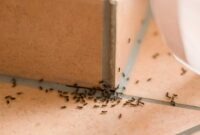
Cleanliness is one of the basic factors in household pest management. Many pests are attracted to food residue, waste, and other materials that can provide resources for them.
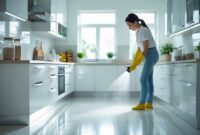
The kitchen is particularly important because food is prepared and stored there every day. Crumbs, spilled drinks, oil, and food residue should be cleaned regularly.
Floors and surfaces do not need to be cleaned continuously, but they should not be allowed to accumulate food residue for long periods.
Waste should also be managed properly. Food leftovers can attract flies, ants, cockroaches, and rodents when garbage is not handled appropriately.
Regular cleaning therefore helps reduce the resources that pests can use inside the home.
Store Food Properly
Proper food storage is another simple method that can reduce pest activity.
Dry ingredients such as rice, flour, sugar, cereal, and snacks should be stored in containers that can be closed securely.
Leaving food packages open can make it easier for insects to access their contents. In some situations, food odors may also attract pests from nearby areas.
Pet food should be managed in a similar way. If food is not consumed immediately, it should not be left exposed unnecessarily.
These practices do not require sophisticated equipment. They are basic household habits that can reduce one of the main reasons pests enter indoor areas.
Use Physical Barriers
Physical barriers can be used to prevent pests from entering the home without applying chemical products.
Window screens can reduce the entry of flying insects. Door seals can help close gaps at entrances, while mesh materials can be used in certain ventilation areas.
Structural openings should also be inspected. Small gaps around pipes, windows, doors, and walls may provide access for insects and rodents.
The advantage of this method is that it addresses the route used by pests rather than only dealing with pests after they have entered.
However, barriers need to be maintained. A damaged screen or loose seal may no longer provide the expected protection.
Remove Standing Water
Standing water should receive special attention because it can contribute to mosquito breeding.
Homeowners can inspect plant containers, buckets, gutters, drains, outdoor furniture, and unused objects after rainfall.
Even a small amount of stagnant water can become a potential breeding location if it remains undisturbed.
Indoor water leaks should also be repaired. Continuous moisture around sinks, pipes, or bathrooms can create conditions that are favorable for certain insects.
Reducing unnecessary water accumulation is therefore one of the simplest environmental measures that can be applied around a home.
Maintain the Garden
The condition of the garden can influence pest activity around a house.
A garden does not need to be free of insects. In fact, some insects are useful for pollination and natural ecological processes.
The main objective is to prevent the outdoor environment from becoming excessively overgrown or filled with unnecessary hiding places.
Dead leaves, unused containers, piles of wood, and other accumulated materials should be managed regularly.
Trees and shrubs should also be maintained when they become too close to the structure of the house.
This type of maintenance can reduce potential shelter for unwanted pests while still allowing the garden to support beneficial organisms.
Do Not Eliminate Every Insect
It is important to distinguish between harmful pests and insects that have ecological functions.
Some insects contribute to pollination, while others naturally prey on smaller insects. Spiders and certain predatory insects can therefore play a role in maintaining ecological balance.
Trying to eliminate every insect around a house can be unnecessary and may even reduce the presence of organisms that help control other pests.
Homeowners should instead focus on organisms that actually create a problem or pose a relevant risk.
This approach is more consistent with the basic principle of integrated pest management, which considers the broader environment rather than treating every insect as an enemy.
Consider Plants as a Supporting Method
Some plants are commonly associated with insect-repelling properties because of their natural compounds and scents. Examples include basil, lavender, rosemary, mint, and marigolds.
These plants can be useful as part of a garden management strategy. However, it would be inaccurate to assume that planting them will completely prevent insects from entering a home.
Their effectiveness can depend on the pest species, plant concentration, environmental conditions, and how the plants are used.
Therefore, plants should be treated as a supporting measure rather than the primary solution.
A combination of proper sanitation, physical barriers, and environmental management remains more reliable.
Use Physical Traps When Necessary
Traps can provide another option for managing certain pests without directly applying chemical pesticides.
The appropriate type of trap depends on the target pest. A method that works for rodents may not be relevant for insects.
Traps should be positioned carefully, particularly in homes where children or pets are present.
They should also be checked regularly. Leaving captured pests unattended can create additional hygiene problems.
More importantly, trapping should be combined with preventive actions. If the access point and food source remain available, new pests may continue to appear.
Be Careful With Homemade Remedies
Many natural pest control recipes can be found online. However, the fact that a method is described as “natural” does not automatically mean that it is safe or effective.
Some concentrated plant extracts and essential oils can cause irritation. Certain substances may also be harmful to pets or children when used incorrectly.
Mixing household chemicals is an even greater concern. Products that appear harmless individually can produce dangerous reactions when combined.
For this reason, homeowners should avoid experimenting with unknown mixtures simply because they are presented as natural solutions.
A safer approach is to prioritize basic prevention and use products according to reliable instructions when treatment is necessary.
Reduce Unnecessary Clutter
Clutter can create additional hiding spaces for pests. Boxes, old papers, unused furniture, and stored materials may remain undisturbed for long periods.
Organizing storage areas makes it easier to clean and inspect them.
The goal is not to remove everything from storage. Instead, items should be arranged so that there is enough space to access the floor, walls, and other areas that need to be checked.
A more organized storage area can make it easier to notice signs of pest activity at an earlier stage.
Combine Several Preventive Methods
No single natural method is likely to solve every pest problem.
A more reasonable strategy is to combine several measures according to the conditions of the home. For example, homeowners can store food properly, maintain cleanliness, seal openings, remove standing water, and regularly inspect outdoor areas.
These actions address different factors that may support pest activity.
This principle is closely related to integrated pest management, where prevention, monitoring, physical controls, and carefully selected treatments are considered together.
The advantage of this approach is that it does not depend entirely on one technique.
Know When Professional Treatment Is Needed
Natural and preventive methods have limitations. Some infestations cannot be resolved effectively through household maintenance alone.
Termites, for example, can damage structural materials while remaining hidden from view. Bed bugs can also be difficult to eliminate because they hide in small spaces and can spread through personal belongings.
Rodent problems may similarly require more systematic control when animals have established nesting areas inside a building.
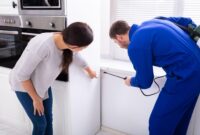
In these situations, professional assessment may be the most appropriate option.
Seeking professional help should not be viewed as a failure of natural pest management. Instead, it is a recognition that different levels of infestation require different levels of intervention.
Conclusion
Natural pest control can provide a practical starting point for households that want to reduce pest activity without immediately relying on chemical treatments.
The basic methods are relatively simple. They include regular cleaning, proper food storage, removal of standing water, use of physical barriers, garden maintenance, and reduction of unnecessary clutter.
Plants and beneficial organisms can also contribute to a healthier outdoor environment, although they should not be treated as a guaranteed solution.
At the same time, homeowners need to maintain realistic expectations. Natural methods may reduce the conditions that attract pests, but they cannot solve every established infestation.
The most practical strategy is to focus on prevention, observe changes in pest activity, and use additional treatment when the situation requires it.
In the long term, effective pest management is not only about eliminating insects or rodents. It is about maintaining an environment where harmful pests have fewer opportunities to obtain food, water, shelter, and access to the home.

Dianna Bearden is a homeowner and DIY enthusiast who loves tackling household pests. She shares budget-friendly tips and proven tricks to reclaim your space from bugs.