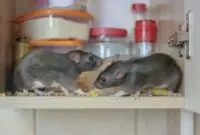

Rats and mice are among the most common domestic pests capable of causing considerable disruption once they become established within a household. Their presence not only creates discomfort for occupants but also poses risks to food storage practices, general household hygiene, and the structural integrity of certain materials. Rodents are generally drawn to environments that provide access to food, water, and shelter, meaning that inadequately maintained spaces are more likely to become favorable habitats for them. Consequently, preventive measures taken before an infestation develops tend to be considerably more effective than reactive measures taken afterward. Through consistent maintenance practices and a stronger understanding of rodent behavior, homeowners can substantially reduce the conditions that make a property appealing to these pests.
Understanding Why Rodents Enter Residential Spaces
The initial step toward preventing rodent-related problems involves understanding the underlying reasons rats and mice choose to enter residential buildings in the first place. Like most living organisms, rodents require three basic resources to survive: food, water, and shelter. A household can inadvertently provide all three when food items are left exposed, waste is not managed appropriately, water leaks go unaddressed, or storage spaces contain large quantities of undisturbed materials. Under certain environmental conditions, rodents may also seek refuge indoors simply because interior spaces tend to offer a more stable environment than the outdoors. For this reason, a single rodent sighting should not be treated as an isolated incident without also examining the broader conditions surrounding the property.
In addition, rodents are capable of exploiting remarkably small openings to gain entry into buildings. Gaps found around doors, windows, pipes, roofing, walls, and drainage systems can all serve as potential access points. Once a rodent successfully identifies a usable entry route, it is likely to continue using that same pathway repeatedly. This behavior underscores the importance of identifying and closing off access points as part of routine household maintenance. Prevention efforts tend to be far more effective when they address not only the rodents currently present but also the structural vulnerabilities that allow new ones to enter.
Storing Food in Secure, Sealed Containers
Proper food storage plays a significant role in minimizing rodent activity within a household. Rats and mice possess a heightened ability to detect accessible food sources, which means that even a partially opened package can serve as an easy meal. Dry goods such as rice, flour, cereal, grains, snacks, and pet food should therefore be kept in containers that can be sealed tightly. Packaging that shows signs of damage should also be inspected regularly, since even a minor tear can be enough for rodents to reach the contents inside. Effective food storage does not necessarily require costly equipment; what matters most is ensuring that food is not left unnecessarily exposed for extended periods.
The kitchen deserves particular attention, as it tends to contain numerous potential food sources. Crumbs, spilled ingredients, food residue, and uneaten leftovers can accumulate around countertops, tables, cabinets, and appliances. While these small amounts of food waste may seem insignificant to residents, they can be more than sufficient to sustain smaller rodents. Cleaning thoroughly after meal preparation and consumption can therefore eliminate one of the primary reasons rodents choose to linger indoors. Pet food should be handled with similar caution, as leaving it out for prolonged periods creates yet another readily available food source.
Managing Household Waste Effectively
Waste management represents another essential component of rodent prevention. Garbage containing food scraps can be a strong attractant for rats and mice, particularly when stored in open bins or left outdoors for extended periods. Household waste should be placed in containers fitted with tightly secured lids and disposed of regularly in accordance with local collection schedules. Residue that accumulates on the exterior of trash bins should also be cleaned periodically, as lingering odors can attract rodents even when the contents themselves remain inaccessible.
The surrounding area of a waste storage location also warrants consideration. Even a well-maintained bin can still attract rodents if it is surrounded by cardboard, discarded items, or overgrown vegetation that offers convenient shelter. Maintaining cleanliness around waste storage areas therefore addresses both food availability and potential hiding spots simultaneously. When these two factors are managed together, the surrounding environment becomes considerably less hospitable for rodents attempting to establish themselves near a property.
Identifying and Sealing Potential Entry Points
One of the most practical approaches to rodent prevention involves systematically identifying and sealing off possible points of entry. Homeowners can conduct inspections around doors, windows, pipes, vents, roof edges, and wall junctions to detect visible gaps. Not every small opening constitutes a serious concern, but any gap large enough to realistically permit rodent passage should be addressed without delay. Damaged screens, malfunctioning vents, and gaps surrounding utility pipes are common examples of areas requiring attention.
Inspection efforts should extend beyond the interior of the home. Exterior walls and the areas surrounding the foundation should also be examined, as rodents frequently use entry routes that are difficult to detect from inside the building. Once an access point has been located, an appropriately durable material should be used to seal it, since rodents are capable of gnawing through softer substances. Because building materials naturally deteriorate over time, periodic re-inspection remains necessary even after initial repairs have been completed.
Reducing Clutter in Storage Areas
Storage spaces can become particularly attractive to rodents when filled with boxes, unused furniture, paper, fabric, and other materials that remain undisturbed for long stretches of time. Such conditions provide rodents with convenient opportunities to hide and build nests. This does not mean that storage spaces need to be eliminated altogether; rather, stored items should be organized in a way that keeps walls, floors, and corners accessible for regular inspection and cleaning.
Cardboard boxes warrant particular caution, as they can simultaneously serve as shelter and nesting material. When cardboard storage is unavoidable, boxes should be arranged carefully and checked periodically for signs of damage or contamination. Items that are no longer needed should be discarded rather than left in storage indefinitely. A well-organized storage space makes it considerably easier to detect unusual activity before it develops into a larger problem.
Maintaining Outdoor Areas
Rodent prevention efforts should also extend to the environment surrounding the home. Overgrown vegetation, piles of leaves, unused equipment, firewood, and construction materials can all provide shelter located close to the building’s exterior. When suitable hiding spots exist near the home, rodents gain more opportunities to remain in the vicinity and eventually attempt to gain entry. Keeping outdoor spaces reasonably tidy and organized can therefore significantly reduce the number of nearby hiding locations.
Vegetation does not need to be removed entirely simply because rodents may occasionally be present outdoors. The primary objective is to prevent excessive growth and the unnecessary accumulation of materials near walls and entry points. Firewood and other stored outdoor materials should be kept in an organized location and inspected on a regular basis. Outdoor maintenance is especially important, as effective rodent prevention ultimately requires attention to both the interior and exterior of a property.
Preventing Water and Moisture-Related Issues
Food is not the only resource that influences whether rodents choose to remain in a particular area. Access to water plays an equally important role. Leaking faucets, damaged pipes, air-conditioning units, drainage issues, and standing water can all contribute to conditions that favor rodent activity, as well as other pest problems. Homeowners should therefore prioritize addressing plumbing issues promptly rather than allowing leaks to persist over time.
Areas experiencing ongoing moisture problems also deserve closer investigation. A damp storage room, a poorly ventilated space, or a leaking roof can create conditions attractive to various types of pests. Resolving these issues improves the overall condition of the home while simultaneously reducing available water sources. In this respect, general home maintenance and rodent prevention are closely interconnected practices.
Recognizing Early Warning Signs
Early detection can prevent a minor rodent issue from escalating into a more serious infestation. Homeowners should remain alert to signs such as droppings, gnaw marks, damaged food packaging, nesting materials, unusual odors, or scratching sounds coming from walls and ceilings. While these signs do not always indicate a severe infestation, recurring evidence should never be dismissed. The location and frequency of such signs can offer valuable clues regarding where rodent activity is most concentrated.
If these indicators persist even after food sources and access points have been addressed, further investigation becomes necessary. Rodents are often capable of hiding in areas that are difficult for residents to access, meaning that visible evidence may represent only a fraction of the overall problem. In cases where activity appears widespread or persistent, professional pest management services can offer a more thorough and systematic evaluation.
Avoiding Over-Reliance on Traps Alone
Traps can be a useful tool in certain circumstances, but they should not be regarded as a complete solution on their own. A trap may remove an individual rodent without resolving the underlying conditions that allowed it to enter the home in the first place. If food remains easily accessible and an entry point remains open, additional rodents are likely to continue entering even after the first has been caught.
A more comprehensive strategy combines removal efforts with preventive action. This involves identifying potential entry routes, securing food sources, managing waste appropriately, minimizing clutter, and maintaining outdoor spaces. Such an approach addresses the root causes of recurring rodent activity rather than focusing solely on the visible animal itself. The most suitable method will ultimately depend on the severity and specific location of the problem at hand.
When Professional Assistance Becomes Necessary
Many rodent-related issues can be effectively managed through routine household maintenance, particularly when detected early. However, professional intervention should be considered in cases involving repeated sightings, extensive droppings, significant property damage, or clear evidence that rodents have established nests within walls, ceilings, or other hard-to-reach spaces. Professional pest control services can help determine the true scale of an infestation and identify areas that may have been overlooked during a homeowner’s own inspection.
This becomes particularly critical when rodents may have affected electrical wiring, structural components, or stored food supplies. Attempting to manage a serious infestation without fully understanding its underlying source can lead to recurring issues and unnecessary expenses over time. Professional intervention, therefore, serves a dual purpose: removing existing rodents while also identifying the conditions that must be corrected to reduce the likelihood of future recurrence.
Conclusion
Preventing rats and mice from entering a home requires a combined approach involving environmental management, household cleanliness, and structural maintenance. Food should be stored securely, household waste should be managed on a consistent basis, and potential entry points should be regularly inspected and sealed. At the same time, storage areas and outdoor spaces should be kept organized so that rodents have fewer opportunities to find suitable shelter.
The most important takeaway is that rodent prevention should begin well before an infestation becomes severe. A home does not need to be immaculately clean to deter rodents, but it should avoid providing easy access to food, water, and hiding places. Regular inspection allows homeowners to identify minor issues before they develop into larger, more difficult problems.
When rodent activity persists despite preventive efforts, seeking professional assistance may become necessary. A truly comprehensive approach addresses both the rodents already present and the environmental conditions that allow them to return. Through consistent maintenance and proactive measures, homeowners can significantly reduce the risk of recurring rodent problems while maintaining a safer, more comfortable living environment.

Dianna Bearden is a homeowner and DIY enthusiast who loves tackling household pests. She shares budget-friendly tips and proven tricks to reclaim your space from bugs.