
Rats and mice can pose a persistent household challenge largely because of their adaptability, which allows them to survive across a wide range of environments. When a property continues to offer convenient access to food, water, and shelter, rodents are likely to return even after individual animals have been removed. For this reason, a sustainable approach to rodent control should focus primarily on altering the conditions surrounding the property rather than relying solely on products designed to kill or repel these animals.
It is worth noting that natural rodent management does not guarantee a completely rodent-free household in the absence of any intervention. Rather, this approach places emphasis on preventive practices such as sanitation, structural upkeep, appropriate storage, and environmental control. These strategies tend to be practical precisely because they target the essential resources rodents depend on for survival. When multiple preventive measures are implemented together, a property becomes considerably less appealing to rats and mice.
Restricting Access to Food
Managing food accessibility should be regarded as one of the foremost priorities when attempting to control rodent activity through natural means. Rats and mice are opportunistic feeders capable of exploiting virtually any available food source. As such, food items should be stored in tightly sealed containers, particularly staples such as rice, grains, flour, cereal, snacks, and pet food.
Cleaning habits are equally important, given that rodents do not require substantial quantities of food to remain in a given area. Crumbs, food residue, and spilled ingredients scattered around the kitchen can be more than adequate to sustain smaller animals. Surfaces should therefore be cleaned thoroughly after meal preparation and consumption, while leftovers should be stored properly. These relatively simple habits require no specialized pest control products yet can substantially limit the amount of food available within the home.
Keeping Waste Containers Sealed
Household waste represents another potential food source for rodents. Food scraps, discarded packaging, and organic waste can generate odors capable of attracting animals from outside the property. When garbage is stored in an open container, rodents may gain direct access to its contents.
Utilizing containers equipped with tightly fitted lids can substantially reduce this risk. Waste should also be disposed of on a regular basis rather than being allowed to accumulate over extended periods. The surrounding area should likewise be kept clean, since spilled food or liquid residue can attract rodents even when the primary container remains securely closed.
This particular strategy proves especially useful because it directly addresses one of the leading reasons rodents continue to linger near a property. When food waste is consistently unavailable, the surrounding environment becomes far less conducive to sustained rodent activity.
Properly Sealing the Property
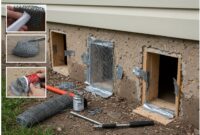
Physical exclusion stands as one of the most dependable non-chemical methods of rodent prevention. Rather than attempting to repel rodents after they have already gained entry, homeowners can instead focus on minimizing the number of routes through which access is possible.
A thorough inspection should encompass doors, windows, roof edges, vents, pipes, drainage areas, and cracks within walls. Even relatively small gaps may require attention, given that rodents are capable of squeezing through surprisingly narrow openings. Damaged screens and loosened seals should also be repaired promptly.
Any identified opening should be sealed using material sturdy enough to withstand both environmental exposure and potential rodent activity. Relying on a weaker material may only provide a temporary fix if rodents are able to gnaw through it. Consequently, periodic re-inspection remains necessary even after repairs have been carried out.
Minimizing Outdoor Shelter
The immediate surroundings of a house can significantly influence the extent of rodent activity indoors. Overgrown vegetation, piles of leaves, unused containers, wood, cardboard, and similar materials can all provide convenient shelter situated close to the building.
Outdoor spaces should therefore be maintained without necessarily eliminating vegetation altogether. Plants may remain part of the landscape, provided that excessive growth and material accumulation near walls are kept under control. Stored items should be organized in a manner that allows for regular inspection of the surrounding area.
The underlying objective is to make the immediate surroundings less hospitable to rodents while still preserving a functional and usable outdoor environment. When fewer hiding places exist near a home, rodents have correspondingly fewer opportunities to approach the building undetected.
Keeping Storage Areas Organized
Storage rooms, garages, and other low-traffic spaces often become appealing locations for rodents, largely due to their quiet and generally undisturbed nature. Boxes, old clothing, paper, and unused furniture can simultaneously serve as both shelter and nesting material.
A practical solution involves organizing stored items so that walls and floors remain readily accessible. Cardboard, in particular, should not be allowed to accumulate unnecessarily, especially in damp or infrequently inspected areas. Items that no longer serve a practical purpose should be discarded rather than kept indefinitely.
A well-organized storage area offers an additional benefit: it makes unusual signs considerably easier to detect. Droppings, damaged materials, and nesting activity are far more likely to be identified when homeowners are able to inspect the surrounding space without obstruction.
Controlling Water and Moisture
Although food often receives the greatest attention in rodent prevention discussions, water should not be overlooked as an equally critical resource. Leaking pipes, faucets, roofs, and air-conditioning systems can all contribute to persistent moisture issues around a property.
Homeowners should repair leaks as promptly as reasonably possible and avoid leaving containers of stagnant water sitting around the premises. Damp areas should also be examined further to determine whether they signal a larger underlying maintenance concern.
Reducing overall moisture levels supports household hygiene more broadly and may simultaneously discourage rodents and other pests from remaining in particular locations. This represents yet another example of how general home maintenance practices contribute meaningfully to pest prevention.
Using Traps with Appropriate Caution
Traps may be considered once rodents have already gained entry into a home, offering a physical means of removing individual animals without necessarily involving chemical substances.
That said, traps should be carefully selected and thoughtfully positioned. Their placement must take into account the safety of children, pets, and other members of the household. Traps should also be checked regularly rather than left unattended for extended periods.
More importantly, trapping should never be viewed as a substitute for genuine prevention. If a home continues to offer accessible food sources or open entry points, additional rodents are likely to keep entering regardless of trapping efforts. Trapping proves considerably more effective when combined with exclusion measures and broader environmental management.
Exercising Caution with Natural Repellents
A wide variety of natural rodent-repellent methods circulate online, including the use of strong-smelling plants, essential oils, and various household ingredients. While some of these methods may offer limited usefulness under certain circumstances, homeowners should be cautious about assuming that any single natural substance will reliably resolve a rodent problem on its own.
The effectiveness of such repellents can vary considerably depending on the rodent species involved, the surrounding environment, the concentration used, and the specific method of application. A scent perceived as unpleasant by humans may not necessarily be strong enough to deter a determined rodent from pursuing accessible food or shelter.
Natural substances can also introduce certain risks when applied incorrectly, particularly in households with children and pets. As such, repellents are best treated as a supplementary measure rather than the primary strategy for rodent management.
Avoiding Unverified Chemical Combinations
The desire for a quick and effective solution can sometimes lead homeowners to experiment with mixtures circulated on social media or informal websites. This practice can be problematic, since combining household chemicals may produce unexpected and potentially hazardous reactions, and certain substances can be harmful if inhaled, ingested, or exposed to the skin.
The mere fact that a method is labeled as homemade or natural does not automatically guarantee its safety. Rodent management strategies should prioritize approaches supported by a reasonable safety basis and clear, verifiable instructions.
When chemical control methods are genuinely necessary, products should be used strictly according to their labeled instructions and kept safely away from children and pets. In cases involving a serious infestation, seeking professional assistance is generally a far more prudent option than experimenting with unverified homemade solutions.
Prioritizing the Safety of Pets and Children
Rodent management efforts should consistently take into account the safety and wellbeing of other household members. Children and pets may inadvertently interact with traps, contaminated materials, or pest control products without fully understanding the associated risks.
Food storage and waste management practices are comparatively low-risk preventive measures and should therefore be prioritized whenever possible. Physical exclusion methods are similarly advantageous, as they prevent rodents from entering the home in the first place rather than exposing household members to additional chemical substances.
When traps or other control products are used, they should be placed in locations that remain inaccessible to children and pets. Household safety should remain a central priority throughout every stage of the pest management process.
Conducting Regular Home Monitoring
Natural prevention tends to be most effective when treated as an ongoing, continuous process rather than a single isolated effort. Homeowners should periodically inspect the areas most likely to attract rodent entry or provide shelter, including kitchens, storage rooms, garages, roofs, walls, and outdoor spaces.
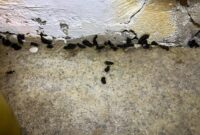
The underlying purpose of routine monitoring is to detect changes at an early stage. A handful of droppings or a single damaged package is generally far easier to address than a well-established nesting site. Regular inspection also enables homeowners to identify structural issues such as damaged seals, developing cracks, or hidden leaks.
This type of routine need not be time-consuming. A brief inspection carried out consistently can still provide meaningful insight into the overall condition of a property.
Recognizing When Natural Methods Are Insufficient
Certain situations exist in which household-level prevention alone cannot adequately resolve a rodent problem. If rats or mice have established nests within walls, ceilings, roofs, or other inaccessible areas, the situation may call for a more thorough professional assessment.
Property damage represents another compelling reason to seek outside assistance. Rodents are capable of gnawing through electrical wiring and various other materials, introducing risks that extend well beyond basic cleanliness concerns. Substantial amounts of droppings or recurring sightings may also suggest that the rodent population is larger than initially assumed.
Under these circumstances, professional pest management services can help determine the true scale of the problem and recommend appropriate control measures. Natural prevention practices can still be maintained afterward in order to reduce the likelihood of a future infestation.
Conclusion
Protecting a home from rats and mice through natural means is fundamentally about managing the conditions that make a property attractive to rodents in the first place. Secure food storage, proper waste management, physical barriers, organized storage areas, controlled outdoor vegetation, and consistent maintenance all contribute meaningfully toward this overall goal.
Natural methods tend to be most effective when combined rather than applied in isolation. A well-sealed house with poor food storage practices may still attract rodents, while a spotless kitchen paired with several open entry points may nevertheless continue to experience recurring activity. As such, the overall condition of the property matters considerably more than reliance on any single prevention technique.
Homeowners should also maintain realistic expectations regarding natural pest management. While these methods can meaningfully reduce opportunities for rodents to enter and establish themselves, they may prove insufficient in the case of a serious, ongoing infestation. When activity persists, structural damage becomes evident, or signs of nesting appear in inaccessible areas, professional assistance should be seriously considered.
Ultimately, effective rodent prevention has less to do with locating a single product that promises immediate results and more to do with maintaining consistent household practices over time. By limiting access to food, water, and shelter while systematically closing off possible entry points, homeowners can cultivate an environment considerably less favorable to rats and mice.

Dianna Bearden is a homeowner and DIY enthusiast who loves tackling household pests. She shares budget-friendly tips and proven tricks to reclaim your space from bugs.