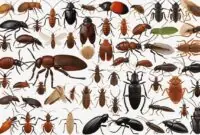

Insects constitute a natural component of the surrounding environment, yet their presence inside a home can become problematic when they appear with excessive frequency or in substantial numbers. Ants, cockroaches, flies, mosquitoes, and various other insects may enter residential buildings for a range of reasons, although many of them are drawn by remarkably similar conditions, including accessible food, moisture, waste accumulation, and sheltered spaces. Once such conditions become available, insects are likely to continue returning even after the visible ones have been eliminated. As a result, preventing insects from entering a home involves considerably more than simply applying insecticide whenever a problem arises. A more practical and sustainable approach involves maintaining the surrounding environment in a manner that limits the resources insects require to survive.
Ensuring Proper Food Storage
Food represents one of the most significant factors capable of attracting insects into a household. Small food particles, spilled beverages, uncovered meals, and opened packaging can provide more than sufficient resources for ants, cockroaches, flies, and other common insects. For this reason, food items should be stored in properly sealed containers, particularly ingredients that tend to be kept for extended periods, such as sugar, flour, cereal, rice, snacks, and other dry goods. Food storage practices need not be elaborate, but exposed food should be minimized whenever it is not actively being consumed.
The kitchen warrants particular attention, given that it is among the areas where food preparation and storage occur most frequently. Following cooking or meals, surfaces should be checked carefully for crumbs, oil residue, food particles, and spilled liquids. Although these materials may appear insignificant at first glance, they can nonetheless become attractive food sources for insects. Pet food should likewise be managed with care, as leaving it exposed for prolonged periods may create yet another readily available food source. By systematically reducing accessible food, homeowners can render the indoor environment considerably less appealing to many common household insects.
Maintaining Kitchen Cleanliness
Consistent kitchen maintenance can exert a substantial influence on overall insect activity. Countertops, floors, cabinets, and areas surrounding appliances should be cleaned according to their frequency of use. Particular attention should be directed toward concealed areas, since food residue can accumulate behind refrigerators, beneath cabinets, or around cooking equipment without being immediately noticed.
Cleaning efforts should also extend to the areas surrounding sinks and drains. Moisture combined with food residue can generate conditions particularly favorable to certain insects. When the same area repeatedly attracts insect activity, homeowners should look beyond simply removing the insects themselves and instead investigate the underlying cause of attraction. Such an approach proves considerably more effective, as it addresses the environmental condition rather than merely treating the visible symptom.
Eliminating Standing Water
Water represents another critical factor in insect prevention, particularly with regard to mosquitoes and other moisture-dependent insects. Containers, buckets, plant pots, gutters, drains, and various outdoor objects can accumulate water and inadvertently create conditions conducive to insect activity. Following rainfall, these areas should be inspected to ensure that unnecessary standing water does not persist for extended periods.
Indoor leaks likewise require prompt attention. A leaking faucet, pipe, roof, or air-conditioning unit can produce persistent moisture capable of attracting insects while simultaneously contributing to additional household issues. Addressing such problems therefore serves a dual purpose: improving the overall condition of the building while reducing the environmental factors that might otherwise support insect activity.
Installing and Maintaining Window Screens
Windows and doors serve as direct connections between indoor and outdoor environments, making them common points of entry for flying insects. Window screens can substantially reduce the number of insects gaining entry while still permitting adequate ventilation. However, a damaged or improperly fitted screen offers only limited protection against intrusion.
Homeowners should periodically examine screens for holes, loosened edges, or damaged frames. Doors should also close securely, with particular attention paid to the bottom and side edges. These physical barriers prove especially valuable because they prevent insects from entering the home altogether, rather than requiring their removal after entry has already occurred.
Sealing Cracks and Minor Openings
Small openings located around walls, windows, doors, pipes, and other structural elements can function as access routes for insects. Ants and cockroaches, for instance, are capable of navigating through remarkably narrow spaces to move between the exterior and interior of a building. While such gaps may not initially appear structurally significant, they can nonetheless contribute meaningfully to recurring insect activity.
A basic inspection conducted around the property can help identify potential points of access. Cracks should be monitored on an ongoing basis, and damaged seals should be repaired whenever necessary. Areas where pipes penetrate walls should also be examined, since gaps may gradually develop around these connections over time. Structural maintenance therefore constitutes an essential component of effective insect prevention.
Managing Household Waste
Waste has the potential to provide both food and shelter for insects. Food leftovers, discarded packaging, and organic materials can attract flies, ants, and cockroaches whenever garbage is permitted to accumulate. Waste containers should therefore be emptied on a regular basis and kept closed whenever feasible.
The surrounding area likewise requires ongoing maintenance. Spilled food or liquid near a garbage container can attract insects even when the container itself remains covered. Cleaning this surrounding area and avoiding unnecessary waste accumulation can meaningfully reduce potential food sources near the home.
Maintaining Bathrooms and Drainage Systems
Bathrooms can become particularly attractive to insects due to their naturally elevated moisture levels. Drains, sinks, toilets, and areas surrounding pipes should be inspected periodically for leaks or drainage-related problems.
A slow-draining fixture or persistent dampness should not be disregarded. Beyond contributing to unpleasant odors, such conditions can foster an environment considerably more favorable to certain insect species. Keeping bathrooms adequately dry and ensuring that drainage systems function properly can therefore support broader household pest prevention efforts.
Keeping Outdoor Spaces Organized
The immediate environment surrounding a house can significantly influence which insects eventually make their way indoors. Overgrown plants, accumulated leaves, unused containers, and other collected materials may provide convenient shelter for insects situated close to doors and windows.
Outdoor spaces need not be entirely free of insects, however. Many insect species serve important ecological functions, and attempting to eliminate all of them would be neither realistic nor necessary. The primary objective is instead to prevent excessive accumulation of materials and vegetation in the immediate vicinity of the building while still preserving a healthy outdoor environment overall.
Inspecting Items Before Bringing Them Indoors
Insects can occasionally enter a home through objects brought inside from elsewhere. Cardboard boxes, secondhand furniture, gardening equipment, bags, and various stored materials may harbor insects or their eggs without this being immediately apparent.
Used items should therefore be inspected carefully before being placed inside the home. This precaution proves especially important for furniture and materials that have previously been stored outdoors or within warehouse environments. Cardboard should also be prevented from accumulating unnecessarily indoors, as it can provide convenient shelter for certain insect species.
Avoiding Excessive Reliance on Insecticides
When insects appear within a home, many residents immediately consider turning to insecticides as a solution. While such products can indeed prove useful when applied appropriately, they should not be regarded as a substitute for fundamental preventive practices. If food, moisture, or accessible entry points remain readily available, insects are likely to continue appearing even following chemical treatment.
Insecticides should always be applied strictly in accordance with their provided instructions. Using a greater quantity than recommended does not necessarily yield improved results and may instead create unnecessary exposure risks. Preventive maintenance should therefore remain the primary line of defense, with chemical treatment reserved for situations that genuinely require it.
Monitoring for Early Warning Signs
Early detection can substantially simplify the management of insect-related problems. Repeated sightings within the same location, visible insect trails, damaged food packaging, nests, eggs, or unusual activity around drains may all indicate that existing environmental conditions are actively supporting insect activity.
A single insect sighting does not automatically signify the presence of an infestation. Nevertheless, repeated observations should prompt homeowners to investigate the surrounding area further. Identifying the underlying source at an early stage can help prevent the situation from becoming increasingly difficult to manage over time.
Conclusion
Preventing insects from entering a home is fundamentally a matter of controlling the conditions that render the environment appealing to them. Food should be stored appropriately, kitchen surfaces should be properly maintained, standing water should be eliminated, and potential entry points should be sealed effectively. Consistent waste management and proper bathroom maintenance can further reduce the conditions that support ongoing insect activity.
It remains important to understand that effective insect prevention does not require achieving a completely insect-free environment. Insects form an integral part of the natural ecosystem, and numerous species provide genuinely beneficial functions. The practical objective, therefore, is to prevent unwanted species from establishing themselves within areas where they might otherwise create hygiene, comfort, or property-related concerns.
A consistent, multifaceted approach ultimately proves more effective than relying on any single treatment method in isolation. By combining thorough cleaning practices, careful food management, ongoing structural maintenance, and regular inspection, homeowners can meaningfully reduce the likelihood of recurring insect problems while maintaining a more comfortable and hygienic living environment overall.

Dianna Bearden is a homeowner and DIY enthusiast who loves tackling household pests. She shares budget-friendly tips and proven tricks to reclaim your space from bugs.