
Finding insects inside a home does not always mean that the property has a serious infestation. Some insects may enter accidentally, while others are attracted by specific environmental conditions such as food, moisture, or shelter. The problem becomes more concerning when the same type of insect appears repeatedly or when large numbers are observed in a particular area. Understanding the basic characteristics of common household insects can help homeowners determine what may be causing the problem and whether additional action is necessary. Correct identification is useful because different insects have different behaviors and may require different management approaches.
Ants
Ants are among the most commonly observed insects inside homes. They can enter through small cracks, gaps around windows and doors, and openings around pipes. In many cases, ants are attracted by food, particularly sugary substances and small food particles that are left on kitchen surfaces.
One characteristic of ants is their tendency to create visible trails between their nesting area and a food source. If a trail is repeatedly observed, simply removing the visible ants may not solve the underlying problem. The food source should be cleaned, and possible access routes should be investigated. Understanding this behavior makes it easier to approach an ant problem systematically rather than treating each insect individually.
Cockroaches
Cockroaches are commonly associated with warm, dark, and humid environments. They may be found in kitchens, bathrooms, storage areas, drains, and spaces behind appliances. Because they tend to hide during the day and become more active at night, homeowners may not immediately realize that cockroaches are present.
Possible signs include droppings, unpleasant odors, shed body parts, egg cases, and repeated sightings. A single cockroach does not necessarily indicate a large infestation, but repeated activity deserves attention. Improving sanitation, reducing moisture, and limiting access to food can make the environment less favorable. If activity continues, further inspection may be necessary to determine where the insects are hiding.
Flies
Flies are generally attracted to food, waste, and decomposing organic material. They can enter through doors, windows, ventilation openings, and other access points. Their presence is often more noticeable around kitchens, garbage containers, drains, and areas where food is prepared.
If flies repeatedly appear inside a home, the source should be investigated rather than focusing only on removing the visible insects. Food waste, dirty drains, spoiled food, and organic materials can all contribute to the problem. Identifying the source is particularly important because removing individual flies will not prevent new ones from entering if the underlying attraction remains.
Mosquitoes
Mosquitoes are strongly influenced by water and environmental conditions. Certain species lay their eggs in stagnant water, meaning that containers, plant pots, gutters, and other objects that collect rainwater can contribute to mosquito activity.
Indoor mosquito activity does not necessarily mean that mosquitoes are breeding inside the house. The source may be located in the surrounding environment. For this reason, homeowners should inspect both indoor and outdoor areas when mosquito activity increases. Removing standing water and maintaining screens can help reduce the number of mosquitoes that enter living spaces.
Termites
Termites require special attention because they can affect wooden structures and other materials containing cellulose. Unlike many insects that mainly cause discomfort or hygiene concerns, termites can contribute to property damage when their activity continues for an extended period.
Signs of termites may include damaged wood, hollow-sounding wooden components, discarded wings, mud tubes, and visible termite activity. Because termites can remain hidden inside structures, the absence of visible insects does not necessarily mean that there is no problem.
When structural damage is suspected, professional inspection is generally more appropriate than treating the issue as an ordinary household insect problem. Early assessment can help determine the extent of the damage and identify an appropriate response.
Bed Bugs
Bed bugs are small insects that can hide in mattresses, furniture, bed frames, cracks, and other areas close to where people sleep. They can be difficult to detect because of their small size and ability to remain hidden during the day.
Possible signs include small dark spots on bedding, shed skins, eggs, or repeated unexplained bites. However, bites alone are not enough to confirm the presence of bed bugs because skin reactions can have many different causes.
When bed bugs are suspected, the sleeping area and surrounding furniture should be inspected carefully. Because they can spread through luggage, clothing, and used furniture, controlling an established infestation can be challenging and may require professional treatment.
Silverfish
Silverfish are small insects that prefer damp and relatively dark environments. They may be found in bathrooms, storage rooms, bookshelves, and other areas with higher humidity.
They can feed on materials containing starches and carbohydrates, including paper and some types of adhesives. Their presence may therefore become more noticeable in storage areas containing books, cardboard, or paper materials.
Reducing humidity and improving ventilation can help make the environment less suitable for silverfish. Stored materials should also be organized so that hidden areas can be inspected regularly.
Why Do Insects Enter Homes?
Although different insects have different biological characteristics, several environmental conditions can encourage them to enter homes. Food is one of the most obvious factors, particularly when food is left exposed or household waste is not managed properly.
Moisture is another important factor. Leaking pipes, standing water, damp bathrooms, and poor drainage can create favorable conditions for mosquitoes and other insects. Shelter is also relevant because clutter, cracks, vegetation, and undisturbed storage areas can provide places where insects hide.
Access points complete the problem. Doors, windows, ventilation systems, cracks, and gaps around pipes can provide routes into the building. Considering these four factors—food, water, shelter, and access—can help homeowners better understand why insects continue to appear.
Why Correct Identification Matters
Correct identification is important because different insects may require different approaches. Treating an ant problem in the same way as a termite problem, for example, may result in ineffective treatment and unnecessary expense.
Identification can begin by observing the insect’s appearance, size, behavior, location, and time of activity. The signs surrounding the insect can also provide useful information. When identification is uncertain, homeowners should avoid applying random treatments simply based on appearance.
A more careful approach can reduce the risk of using an unsuitable product or overlooking a more serious issue. This is particularly important when insects may be associated with structural damage or hygiene concerns.
When Should You Seek Professional Assistance?
Professional assistance may be appropriate when insects continue to appear despite reasonable preventive measures, when their source cannot be identified, or when there is evidence of structural damage. Termites and established bed bug infestations are examples where professional assessment can be particularly useful.
Professional pest management can provide a more systematic inspection of the property and determine where insects are entering, hiding, or reproducing. The purpose is not simply to eliminate visible insects but to understand the conditions supporting the infestation.
Conclusion
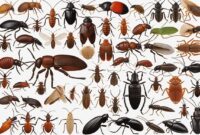
Common household insects include ants, cockroaches, flies, mosquitoes, termites, bed bugs, and silverfish. Although these insects differ in appearance and behavior, their presence inside a home is often related to environmental conditions such as food, moisture, shelter, and access.
Correct identification should therefore be the first step when repeated insect activity is observed. Understanding the type of insect can help homeowners choose a more appropriate response and avoid unnecessary treatment.
Basic preventive measures such as proper food storage, regular cleaning, moisture control, waste management, and structural maintenance can reduce many common insect problems. However, persistent infestations or problems involving property damage may require professional inspection.
A better understanding of household insects allows homeowners to respond based on evidence rather than simply reacting whenever an insect appears.

Dianna Bearden is a homeowner and DIY enthusiast who loves tackling household pests. She shares budget-friendly tips and proven tricks to reclaim your space from bugs.