
Choosing a pest control method should not begin with the question of which product is strongest. A more appropriate starting point is to determine what pest is present, why it is appearing, and how extensive the problem has become. Different pests respond to different control methods, and a treatment that works well in one situation may have little effect in another. For homeowners, understanding the available approaches can make pest management more efficient and reduce unnecessary chemical use.
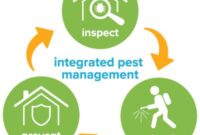
A practical pest control strategy usually combines several methods. These can include environmental management, physical barriers, traps, sanitation, monitoring, and chemical treatment when necessary. The appropriate combination depends on the pest and the conditions of the property.
Start With Pest Identification
The first consideration should always be the type of pest involved. Ants, cockroaches, rodents, termites, mosquitoes, and bed bugs have different behaviors and require different control strategies.
For example, sealing food containers and cleaning kitchen surfaces may help reduce ants and cockroaches, while rodents require attention to entry points, food storage, and trapping. Termites may require professional structural assessment because their activity can occur inside building materials.
This is why buying a general pest control product without identifying the pest can be inefficient. The product may not address the biological behavior that allows the pest to survive.
Consider the Source of the Problem
The second question should be why the pest is present. Food, water, shelter, and access are common factors.
If ants are entering through a crack because food is available inside, treating the ants without addressing the food source and entry point may only provide temporary control.
Similarly, if mosquitoes are appearing because standing water exists around the property, killing adult mosquitoes without removing the breeding conditions does not address the underlying issue.
The source should therefore be considered before selecting a treatment.
Physical Barriers and Exclusion
Physical exclusion is one of the simplest pest control methods. It involves preventing pests from entering or accessing areas where they are unwanted.
Cracks, gaps around pipes, damaged screens, doors, windows, and other openings can be repaired or sealed. For rodents, exclusion is particularly important because they can exploit surprisingly small openings.
The advantage of exclusion is that it prevents the problem rather than repeatedly treating the symptoms. Once an access point has been properly sealed, the opportunity for pests to enter through that route is reduced.
Traps
Traps can be useful for certain pests, particularly rodents and some insects. Their effectiveness depends on proper placement and the behavior of the target pest.
For rodents, traps are generally more useful when placed along areas where the animals are likely to travel. Simply placing a trap in the middle of a room may not produce useful results if the animal rarely moves through that location.
Traps should also be monitored regularly. An unattended trap can create additional hygiene concerns and does not provide useful information if homeowners do not check whether it has been successful.
Sanitation and Environmental Management
Sanitation is an important part of pest control because many pests depend on accessible food and water. Regular cleaning, appropriate waste disposal, and proper food storage can reduce these resources.
However, sanitation should not be misunderstood as a guarantee that pests will never appear. Some pests can enter even in very clean homes, particularly when they are transported through belongings or enter from outside.
Environmental management should therefore be combined with exclusion and monitoring rather than treated as the only solution.
Moisture Control
Moisture management can be particularly useful for insects that prefer damp environments. Leaking pipes, standing water, poor drainage, and excessive indoor humidity can contribute to pest activity.
Repairing leaks and improving ventilation can reduce these conditions. Outdoor water containers should also be checked regularly, particularly after rainfall.
This approach is useful because it changes the environment that supports pest survival rather than simply removing visible pests.
Chemical Control
Chemical treatment can be appropriate when other methods are insufficient or when the pest population has become difficult to manage.
However, chemical treatment should be targeted. The product should be appropriate for the pest and the intended location, and the label instructions should be followed.
Using multiple products simultaneously without understanding their ingredients or interactions is not a good strategy. It may increase exposure without improving effectiveness.
Chemical treatment should therefore be considered one component of pest management rather than the entire strategy.
Natural and Non-Chemical Methods
Some homeowners prefer non-chemical methods because they want to reduce pesticide use. Depending on the pest, these methods can include traps, barriers, sanitation, heat treatment, vacuuming, and environmental modification.
However, non-chemical does not automatically mean effective in every situation. Bed bugs, termites, and established infestations can be difficult to control using simple household methods alone.
The appropriate method should therefore be selected based on evidence and the specific pest rather than based solely on whether the method is marketed as “natural.”
Consider the Location
The location of the infestation also affects the choice of treatment. A pest problem in a kitchen requires different considerations from one in a bedroom, attic, garden, or structural wall.
Food preparation areas require particular attention to sanitation and product safety. Bedrooms may require careful management of fabrics and furniture, especially when bed bugs are involved.
Outdoor pest problems may require environmental modification rather than indoor chemical treatment.
The treatment should therefore match both the pest and the location.
Consider the Severity
The severity of the infestation is another important factor. A single occasional pest does not require the same response as a widespread infestation.
Minor problems may be managed through sanitation, exclusion, monitoring, or traps. Persistent or widespread problems may require professional assessment and more comprehensive treatment.
Choosing an overly aggressive treatment for a minor problem can create unnecessary cost and exposure. Choosing an insufficient treatment for a serious infestation can waste time and allow the problem to become worse.
Think About Long-Term Results
A good pest control method should not only produce a short-term reduction in pest activity. It should also contribute to long-term prevention.
For example, sealing an entry point may prevent future infestations, while removing a food source may reduce the likelihood that pests return. Regular monitoring can also help detect problems before they become established.
This long-term perspective is more useful than judging success solely by how many insects are killed immediately after treatment.
When Professional Treatment Is Better
Professional assistance becomes more appropriate when the pest is difficult to identify, the infestation is widespread, structural damage is suspected, or household methods have repeatedly failed.
Professionals can assess the property and recommend a treatment strategy based on the specific circumstances. This can be particularly valuable for termites, bed bugs, rodents, and other pests that may remain hidden.
The purpose of professional treatment should be to solve the underlying problem rather than simply provide a temporary reduction in visible pests.
Conclusion
Choosing the right pest control method requires more thought than simply selecting the strongest available product. The pest, its source, the location, and the severity of the infestation should all be considered before treatment begins.
Physical exclusion, sanitation, moisture control, traps, monitoring, and other non-chemical methods can provide important benefits. Chemical treatment can also be effective when used appropriately and according to product instructions.
The most effective strategy is usually a combination of methods. Prevention reduces the conditions that attract pests, while targeted treatment addresses existing activity.
For homeowners, the main objective should be long-term control rather than temporary elimination. A pest management method is more valuable when it reduces the chance of the same problem returning.

Dianna Bearden is a homeowner and DIY enthusiast who loves tackling household pests. She shares budget-friendly tips and proven tricks to reclaim your space from bugs.