
Viruses can spread between people in many different environments, including homes, schools, workplaces, and public spaces. Because household members often share rooms, furniture, bathrooms, kitchens, and other facilities, a virus can potentially move from one person to another when appropriate preventive measures are not followed. However, the presence of a virus in a household does not mean that everyone will automatically become infected. Transmission depends on several factors, including the type of virus, how it spreads, the amount of exposure, and the behavior of people in the surrounding environment.
Understanding how viruses can spread inside a home is therefore useful for developing practical hygiene habits. The objective is not to create a completely sterile living environment because this is unrealistic. Instead, household members can focus on reducing opportunities for transmission through hand hygiene, appropriate cleaning, ventilation, respiratory etiquette, and sensible management of shared spaces.
What Are Viruses?
Viruses are microscopic infectious agents that require living host cells to reproduce. Unlike many ordinary environmental organisms, viruses cannot multiply independently in the same way that bacteria can. Their ability to cause infection depends on entering a suitable host and using the host’s cellular processes.
Different viruses behave differently. Some primarily spread through respiratory particles, while others can be transmitted through contaminated food, water, bodily fluids, or contact with contaminated surfaces. Because their transmission mechanisms vary, prevention should be based on the specific type of infection involved.
This distinction is important because there is no single household method that can prevent every virus. Effective prevention begins with understanding the likely route of transmission.
How Can Viruses Spread at Home?
Viruses can spread within a household through several pathways. Respiratory transmission can occur when an infected person releases infectious particles while breathing, talking, coughing, or sneezing. Direct contact can also contribute when people touch one another or share objects that have become contaminated.
Some viruses can also spread through contaminated food or water, while others are associated with contact with bodily fluids. Therefore, the appropriate preventive response depends on the virus and the circumstances.
In a household, the risk can increase when people spend long periods in close proximity, particularly in poorly ventilated rooms. Shared facilities such as bathrooms and kitchens can also create opportunities for indirect transmission.
Respiratory Transmission
Respiratory viruses are particularly relevant to household hygiene because people naturally spend significant amounts of time indoors. An infected person may release respiratory particles while speaking, coughing, sneezing, or simply breathing.
The concentration and movement of these particles can be affected by factors such as ventilation, room size, duration of contact, and the number of people present.
For this reason, improving airflow can be a useful preventive measure when someone in the household has a respiratory infection. Opening windows or using appropriate ventilation systems can help improve the exchange of indoor and outdoor air.
The Importance of Hand Hygiene
Hands can contribute to the movement of viruses between people and surfaces. A person may touch their face after handling a contaminated object, or they may transfer microorganisms to another object through their hands.
Washing hands at appropriate times is therefore one of the simplest household prevention measures. This is particularly important after using the bathroom, before preparing food, before eating, after coughing or sneezing, and after caring for someone who is ill.
Hand hygiene should be consistent rather than performed only when visible dirt is present because viruses and other microorganisms cannot always be seen.
Frequently Touched Objects
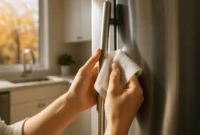
Household objects that are touched repeatedly can become part of the transmission chain, depending on the virus involved. Door handles, faucets, light switches, phones, remote controls, tables, and other shared objects are examples of high-contact surfaces.
The importance of these surfaces varies according to the type of virus. Not every virus remains infectious on surfaces for the same amount of time, and surface transmission is not equally important for every infection.
Nevertheless, regular cleaning of commonly touched surfaces can be a reasonable part of household hygiene, particularly when someone is ill.
Cleaning Shared Surfaces
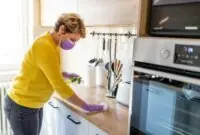
When a household member is experiencing an infectious illness, shared surfaces may require additional attention. Cleaning should focus on areas that are frequently touched or visibly contaminated.
The appropriate cleaning product depends on the surface and the situation. Household cleaning products should be used according to their instructions, and disinfectants should only be used in the manner recommended by the manufacturer.
There is no benefit in randomly applying multiple chemicals to the same surface. In fact, mixing cleaning products can create dangerous chemical reactions.
Ventilation and Indoor Air
Ventilation is particularly important when dealing with viruses that spread primarily through respiratory particles. Poorly ventilated rooms can allow infectious particles to remain concentrated for longer periods.
Improving airflow can therefore be useful when someone in the home is experiencing a respiratory infection. Windows can be opened when appropriate, and mechanical ventilation can be used according to the design of the building.
Ventilation should be viewed as one part of a broader prevention strategy rather than a replacement for other measures such as staying away from others when sick and maintaining appropriate hand hygiene.
Respiratory Etiquette
Coughing and sneezing can release respiratory particles into the surrounding environment. Covering the mouth and nose appropriately can reduce the amount of material released into the immediate surroundings.
Using a tissue when appropriate and disposing of it properly can also help. Hands should be washed after coughing, sneezing, or blowing the nose.
These practices are simple, but they become more important when someone in the household is experiencing symptoms of a respiratory infection.
Avoid Sharing Personal Items
Some personal items should not be shared when someone in the household is sick. Examples can include toothbrushes, towels, drinking containers, eating utensils, and other objects that come into close contact with the mouth or face.
The need for separation depends on the type of illness. However, avoiding unnecessary sharing is a practical precaution when the route of transmission is uncertain or when an infection is known to spread through close contact or bodily fluids.
Managing the Bathroom
Bathrooms are shared spaces where household members may come into contact with the same fixtures. Toilet handles, faucets, sinks, door handles, and other frequently touched surfaces can therefore be included in regular cleaning.
When someone has an infectious illness, bathroom hygiene may require additional attention. If possible, the sick person can use a separate bathroom, but this is not realistic for every household.
In shared bathrooms, regular cleaning and hand hygiene become particularly important.
Kitchen Hygiene
The kitchen requires careful management because food can become contaminated through hands, utensils, surfaces, or improperly handled ingredients.
People should wash their hands before preparing food, especially after caring for someone who is sick or handling potentially contaminated materials.
Shared kitchen equipment should also be cleaned appropriately. Food should be stored properly, and household members should avoid unnecessary sharing of food containers, utensils, or drinking glasses when someone is experiencing an infectious illness.
Laundry and Bedding
Clothing, towels, and bedding can come into contact with bodily fluids and respiratory secretions. When someone is ill, these materials should be handled according to the nature of the illness and appropriate hygiene guidance.
Laundry should be washed using suitable procedures for the fabric and type of contamination. Heavily soiled materials should be handled carefully to avoid unnecessary contact.
Bedding and towels should also be allowed to dry properly after washing. Moisture management remains an important part of maintaining a clean household environment.
Cleaning Is Not the Same as Sterilizing
A common misunderstanding is that ordinary household cleaning should eliminate every microorganism. This is not realistic.
Cleaning generally focuses on removing dirt, organic material, and contaminants from surfaces. Disinfection is a separate process intended to reduce microorganisms using an appropriate chemical product.
Sterilization is an even more specific process used in controlled settings to eliminate all forms of microbial life. It is not a normal requirement for household cleaning.
Understanding these differences can prevent homeowners from using unnecessarily aggressive cleaning methods.
What Should You Do When Someone Is Sick?
When someone in the household becomes ill with a contagious infection, the first priority should be to reduce unnecessary close contact where practical.
The sick person should follow appropriate medical or public-health guidance for the specific illness. Household members can support this by maintaining hand hygiene, improving ventilation when relevant, cleaning frequently touched surfaces, and avoiding unnecessary sharing of personal items.
The exact precautions should depend on the illness rather than applying the same response to every virus.
Is It Necessary to Disinfect the Entire House?
Usually, no. Disinfecting every surface in a home is not a practical or necessary response to every viral infection.
Cleaning efforts should be targeted toward surfaces that are frequently touched or visibly contaminated. Additional disinfection may be appropriate in certain circumstances, particularly when recommended for a specific infection.
Overusing disinfectants can create unnecessary chemical exposure and may damage certain surfaces. Therefore, the correct product and application method are more important than simply using more product.
The Role of Household Members
Preventing viral transmission is not only the responsibility of the person who is sick. Other household members also contribute to the overall level of risk.
Simple actions such as washing hands, improving ventilation, avoiding unnecessary close contact, cleaning shared surfaces, and following appropriate respiratory etiquette can collectively reduce opportunities for transmission.
Communication is also important. Household members should understand what precautions are being taken and why they are necessary.
When Professional Cleaning May Be Necessary
Most household viral illnesses do not require professional cleaning services. Ordinary household cleaning can usually be performed using appropriate products and procedures.
However, professional assistance may be relevant after certain contamination events, particularly when there is extensive bodily-fluid contamination or a situation that cannot be safely managed using ordinary household practices.
In these cases, the appropriate response should be based on the specific circumstances rather than using unverified cleaning methods.
Avoid Unverified Cleaning Methods
The internet contains many claims about substances that supposedly eliminate viruses from household environments. Some recommendations may be ineffective, while others can create safety risks.
Household chemicals should never be mixed simply because someone claims that the combination produces a stronger disinfectant. Products should be used according to their labels and intended applications.
Reliable information from appropriate health authorities or product manufacturers is preferable to unverified household remedies, particularly when dealing with infectious diseases.
Prevention Should Be Practical
One of the biggest challenges in household hygiene is maintaining practices that people can realistically follow. A prevention strategy that requires constant cleaning of every surface is unlikely to remain practical over time.
Instead, household members should focus on the most relevant transmission routes. If the infection primarily spreads through respiratory particles, ventilation and reducing close contact may be more important than repeatedly disinfecting every object in the house.
If transmission involves contaminated food or surfaces, food hygiene and targeted cleaning may receive greater attention.
The strategy should therefore match the problem.
Building a Better Household Hygiene Routine
A practical household hygiene routine can include several basic habits. Hands should be washed at appropriate times, food should be handled safely, shared surfaces should be cleaned regularly, and rooms should have adequate ventilation.
When someone is sick, household members can increase attention to these practices according to the nature of the illness. Personal items can also be separated when appropriate.
The objective is not perfection. Consistent behavior is more valuable than occasional intensive cleaning followed by a return to poor hygiene practices.
Conclusion
Viruses can spread within households through different routes, including respiratory particles, direct contact, contaminated objects, food, water, and bodily fluids. Because different viruses behave differently, prevention should always consider the specific route of transmission.
For everyday household management, several practical measures can reduce opportunities for transmission. These include regular handwashing, appropriate respiratory etiquette, cleaning frequently touched surfaces, improving ventilation, maintaining food hygiene, and avoiding unnecessary sharing of personal items when someone is sick.
Homeowners should also understand that excessive cleaning or disinfecting does not automatically provide better protection. The most effective approach is targeted prevention based on how the particular virus spreads.
A clean home is not a completely sterile home. A more realistic goal is to create an environment where unnecessary transmission opportunities are reduced and household members can respond appropriately when illness occurs.
By combining basic hygiene with sensible environmental management, families can make their homes easier to maintain and potentially reduce the spread of viral infections within shared living spaces.

Dianna Bearden is a homeowner and DIY enthusiast who loves tackling household pests. She shares budget-friendly tips and proven tricks to reclaim your space from bugs.