
Bacteria are a natural part of the environment and can be found in homes, workplaces, outdoor areas, food, water, and on the human body. Their presence does not automatically mean that a home is unhealthy or poorly maintained. In fact, completely removing bacteria from a household environment is neither realistic nor necessary. The more practical approach is to reduce unnecessary contamination, control conditions that support microbial growth, and maintain consistent hygiene practices. This approach allows homeowners to keep their living environment clean without spending excessive time and resources trying to create a completely sterile home.
Maintaining a cleaner home requires more than simply wiping visible dirt from surfaces. Household activities can transfer microorganisms between hands, food, furniture, kitchen equipment, bathrooms, and frequently touched objects. Moisture can also contribute to the persistence of microorganisms in certain areas. Therefore, effective household hygiene should combine regular cleaning, proper food handling, hand hygiene, moisture management, and appropriate maintenance of frequently used objects.
Start With a Consistent Cleaning Routine
One of the simplest ways to maintain a cleaner home is to establish a cleaning routine that can realistically be followed. Cleaning does not need to involve every surface every day. Instead, household members should prioritize areas that are frequently used or more likely to become contaminated.
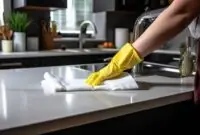
Kitchens and bathrooms generally require more regular attention because they involve food preparation, water, moisture, and frequent contact. Surfaces such as kitchen countertops, sinks, bathroom fixtures, and frequently touched handles can be included in the routine.
A consistent schedule is more useful than occasional intensive cleaning. If cleaning is only performed after dirt becomes clearly visible, some areas may remain neglected for long periods. Regular maintenance helps prevent the accumulation of residues and makes the overall cleaning process easier.
Wash Hands at Important Times
Hand hygiene is one of the most practical ways to reduce the movement of bacteria around a household. Hands come into contact with many surfaces throughout the day, including food packaging, phones, door handles, waste containers, and household equipment.
Hands should be washed at appropriate times, particularly before preparing or eating food, after using the bathroom, after handling waste, and after contact with potentially contaminated materials. This practice is important even when the hands do not appear visibly dirty because microorganisms cannot always be seen.
Good hand hygiene also reduces the possibility of transferring microorganisms from household surfaces to the mouth, nose, or eyes.
Keep Kitchen Surfaces Clean
The kitchen requires particular attention because food preparation can create opportunities for cross-contamination. Raw ingredients, food packaging, utensils, hands, and countertops may come into contact with one another during cooking.
Countertops should be cleaned after food preparation, especially when raw meat, poultry, seafood, or other potentially contaminated ingredients have been handled. Food residues should not be allowed to remain unnecessarily on preparation surfaces.
Cutting boards and knives should also be cleaned appropriately after use. When possible, raw ingredients and ready-to-eat foods should be handled in a way that minimizes unnecessary contact between them.
Store Food Properly
Food storage is another important part of bacterial control. Certain microorganisms can multiply when food is kept under suitable conditions for extended periods.
Perishable foods should therefore be stored appropriately, while refrigerators should be maintained and cleaned regularly. Food containers should be closed properly to prevent spills and reduce contact between different food items.
Raw and ready-to-eat foods should also be separated where practical. This simple organizational habit can reduce opportunities for cross-contamination inside refrigerators and food storage areas.
Manage Kitchen Sponges and Cloths
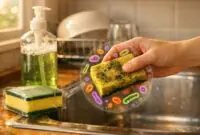
Cleaning materials can become overlooked sources of contamination when they remain wet or are used for too long. Sponges and cloths may collect food residues and microorganisms during normal use.
A cleaning tool should not automatically be considered clean simply because it has been used with soap or cleaning products. Its condition and usage should also be considered.
Sponges and cloths should be maintained properly and replaced when they become worn or difficult to clean. Separate cleaning materials can also be used for different areas of the home to reduce cross-contamination.
Control Moisture
Moisture management is one of the most important aspects of maintaining a cleaner household environment. Leaking pipes, damp towels, wet sponges, condensation, and poorly ventilated rooms can create persistent moisture.
Homeowners should identify and repair leaks rather than repeatedly cleaning the affected area without addressing the source. Bathrooms should have sufficient ventilation, while wet fabrics should be allowed to dry properly.
This approach is more effective in the long term because it changes the environmental conditions that may support microbial persistence.
Clean Bathrooms Regularly
Bathrooms contain several surfaces that are exposed to water and frequent human contact. Sinks, faucets, toilet handles, shower areas, floors, and door handles should therefore be included in a reasonable cleaning routine.
Cleaning should focus not only on visible dirt but also on areas that are touched frequently. Faucets and door handles, for example, may be overlooked because they rarely appear visibly dirty.
Regular cleaning combined with adequate ventilation can help maintain the bathroom environment without requiring constant use of disinfectants.
Pay Attention to High-Touch Surfaces
Some household objects are touched many times throughout the day. These include door handles, light switches, cabinet handles, remote controls, faucets, and phones.
Because they are frequently handled, these surfaces can become points of contact between people and objects. Cleaning them periodically is therefore a reasonable part of household hygiene.
However, the frequency should be based on actual household conditions. There is no need to disinfect every high-touch surface continuously under normal circumstances. More frequent cleaning may be appropriate when someone in the household is sick.
Clean Household Electronics Carefully
Phones, keyboards, remote controls, and other electronic devices can accumulate dirt and microorganisms through frequent use. However, cleaning them requires more care than cleaning ordinary household surfaces.
Excessive moisture can damage electronic components. Therefore, homeowners should follow the manufacturer’s recommendations when cleaning these objects.
The general principle is simple: frequently used devices should not be ignored, but they should also not be treated as if they were washable surfaces.
Maintain Garbage Containers
Garbage can contain food residues and other organic materials that support microorganisms. Kitchen waste should therefore be removed regularly, especially when it contains food scraps.
Garbage containers should also be cleaned periodically if residue accumulates inside them. After handling waste, hands should be washed before touching food or clean kitchen equipment.
Keeping waste under control can also reduce unpleasant odors and discourage insects from being attracted to the area.
Clean Pet Feeding Areas
Pets can be an important part of the household, but their feeding areas require regular maintenance. Food bowls, water containers, and surrounding surfaces can accumulate food residue and microorganisms.
Pet food should be stored properly, and feeding areas should be cleaned according to the needs of the animal. Waste should also be handled carefully.
These practices do not require reducing normal contact with pets. They simply help maintain separation between animal waste, food preparation areas, and human living spaces.
Wash Bedding and Towels Regularly
Bedding and towels come into direct contact with the human body and can accumulate sweat, skin cells, oils, and moisture. Regular washing is therefore an important part of general household hygiene.
Towels should be allowed to dry properly between uses rather than remaining damp for extended periods. Bedding should also be washed according to normal household needs.
Good ventilation can help fabrics dry more effectively and reduce persistent moisture.
Clean Frequently Used Appliances
Household appliances can also require maintenance. Refrigerators, washing machines, coffee makers, microwaves, and other equipment can accumulate food residues, moisture, or detergent buildup.
Each appliance should be maintained according to its design and manufacturer’s recommendations. Areas that remain damp or collect residue should receive particular attention.
Regular maintenance can also help extend the useful life of household equipment while supporting better hygiene.
Do Not Ignore Small Leaks
Small leaks can appear insignificant, but persistent moisture can create larger household maintenance problems over time. Leaking pipes under sinks, dripping faucets, damaged seals, and condensation should therefore be addressed when identified.
Simply wiping up water repeatedly does not solve the source of the problem. Repairing the leak is the more sustainable approach.
This principle applies beyond bacteria as well. Persistent moisture can contribute to unpleasant odors, material deterioration, and other household problems.
Improve Ventilation
Adequate ventilation can help reduce excessive moisture in bathrooms, kitchens, laundry areas, and other parts of the home.
Opening windows when appropriate, using exhaust fans, and allowing damp areas to dry can support a more balanced indoor environment.
Ventilation should not be considered a replacement for cleaning. Instead, it works together with cleaning and moisture control to make the environment easier to maintain.
Use Cleaning Products Correctly
Cleaning products can be useful, but they should be selected and used according to their intended purpose. More product does not necessarily produce better results.
Disinfectants should be used according to label instructions, including the recommended concentration and contact time. Cleaning chemicals should never be mixed unless the manufacturer specifically indicates that they are compatible.
This is important because improper chemical use can create unnecessary health and safety risks.
Cleaning Is Not the Same as Disinfecting
A common misunderstanding is that every household surface needs to be disinfected. In reality, cleaning and disinfection serve different purposes.
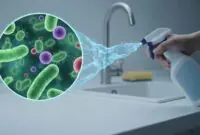
Cleaning generally focuses on removing dirt, residues, and contaminants from surfaces. Disinfection is intended to reduce microorganisms through the use of an appropriate disinfecting agent.
For ordinary household maintenance, routine cleaning may be sufficient for many surfaces. Disinfection can be considered when there is a specific reason, such as certain contamination events or illness within the household.
Understanding this distinction helps homeowners avoid unnecessary chemical use while still maintaining appropriate hygiene.
Avoid Creating an Unrealistic Cleaning Standard
Trying to maintain a completely sterile home is not practical. Bacteria exist naturally in the environment, and eliminating every microorganism would be impossible.
An unrealistic cleaning standard can also make household maintenance unnecessarily stressful and time-consuming. Instead of attempting to clean everything constantly, homeowners should focus on high-use areas, food preparation surfaces, moisture-prone locations, and frequently touched objects.
The goal should be a clean and well-maintained environment, not a completely microorganism-free environment.
Monitor Changes in the Home
Homeowners should pay attention to changes such as persistent odors, unexplained moisture, visible microbial growth, repeated food contamination, or deteriorating surfaces.
These signs do not automatically indicate a dangerous bacterial problem. However, they may suggest that an environmental condition needs to be corrected.
For example, repeated moisture under a sink may indicate a plumbing problem rather than simply a cleaning issue. Addressing the underlying condition is generally more effective than repeatedly treating the visible result.
When Professional Help May Be Necessary
Most routine household hygiene can be managed without professional assistance. However, professional advice may become appropriate when there is persistent contamination, significant moisture damage, sewage exposure, or another condition that cannot be safely managed through ordinary cleaning.
Certain situations may also require specialized environmental assessment. Homeowners should avoid experimenting with strong chemicals when the nature of the contamination is unknown.
The appropriate response depends on the source and severity of the problem.
A Simple Daily Approach
A practical daily routine can focus on the activities that have the greatest effect. Hands should be washed at appropriate times, food should be handled safely, kitchen spills should be cleaned, and garbage should not be allowed to accumulate unnecessarily.
Damp towels and cleaning materials should also be allowed to dry. High-touch surfaces can be cleaned when they become visibly dirty or when circumstances require additional attention.
These actions are relatively simple and can be incorporated into normal household activities without requiring extensive cleaning time.
A Weekly Approach
Some household maintenance tasks do not need to be performed every day. A weekly routine can include more thorough cleaning of bathrooms, refrigerators, kitchen equipment, floors, and other areas that receive less frequent attention.
Cleaning cloths and reusable household materials can also be washed or replaced as necessary.
The exact schedule should depend on the size of the household, number of residents, pets, and daily activities. A practical schedule is more valuable than following an arbitrary cleaning timetable.
Building Long-Term Habits
The most effective household hygiene practices are usually those that can be maintained over time. A complicated routine may appear effective initially but become difficult to continue.
Simple habits such as washing hands, storing food correctly, drying damp materials, cleaning high-use areas, and addressing leaks can have a meaningful cumulative effect.
The goal is to make hygiene part of normal household behavior rather than treating it as a major project that only happens occasionally.
Conclusion
Reducing bacteria in the home does not require creating a completely sterile environment. Bacteria are naturally present in our surroundings, and the more realistic objective is to reduce unnecessary contamination and control the environmental conditions that allow microorganisms to persist.
A combination of regular cleaning, proper food storage, hand hygiene, moisture control, appropriate waste management, and careful maintenance of frequently touched surfaces can support a cleaner household environment.
Homeowners should also understand that excessive use of disinfectants is not automatically better. Cleaning products should be selected appropriately and used according to their instructions. In many everyday situations, consistent cleaning and good hygiene habits are more practical than continuously disinfecting every surface.
Ultimately, effective household hygiene depends on consistency rather than perfection. By focusing on the areas and activities most likely to contribute to contamination, homeowners can maintain a cleaner and more manageable living environment without spending unnecessary time or resources attempting to eliminate every microorganism.

Dianna Bearden is a homeowner and DIY enthusiast who loves tackling household pests. She shares budget-friendly tips and proven tricks to reclaim your space from bugs.