Bed bugs can be one of the more challenging household pests to manage because they are small, difficult to detect, and capable of hiding in many areas around a sleeping space. Once an infestation becomes established, simply cleaning the room or killing visible insects may not be enough. Bed bugs can remain hidden in mattress seams, bed frames, furniture joints, cracks, and other protected areas, allowing the problem to continue even when no insects are visible. For this reason, effective control requires a systematic approach that combines inspection, appropriate treatment, careful handling of belongings, and continued monitoring.

Confirm That Bed Bugs Are Actually Present
Before beginning treatment, it is important to establish whether bed bugs are actually responsible for the problem. Unexplained bites alone are not enough because many different conditions can produce similar skin reactions.
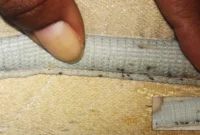
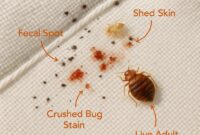
Physical evidence such as live insects, eggs, shed skins, or characteristic dark spots around sleeping areas provides stronger information. The mattress, bed frame, headboard, and nearby furniture should be inspected carefully.
Correct identification is important because treating the wrong pest wastes time and may not solve the actual problem. If there is uncertainty, professional identification can provide a more reliable starting point.
Inspect the Entire Sleeping Area
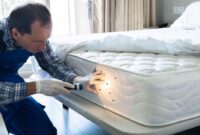
Bed bugs are not limited to the surface of a mattress. They can hide underneath the mattress, inside bed frames, behind headboards, and in nearby furniture.
The inspection should gradually expand from the bed to the surrounding area. Furniture drawers, cracks, baseboards, carpets, and other objects close to the sleeping area should also be considered.
A flashlight can help reveal small insects or signs in dark areas. The inspection should be systematic rather than random because bed bugs can remain hidden in locations that are easy to overlook.
Avoid Moving to Another Bedroom
One common reaction to bed bugs is to stop sleeping in the affected room and move to another bedroom. Although this may seem logical, it can create an opportunity for bed bugs to spread to another area.
Bed bugs follow sources of blood and may move toward a new sleeping location. If an infested room is abandoned, the insects may eventually spread to other rooms in search of a host.
For this reason, homeowners should develop a control plan rather than simply changing sleeping locations.
Wash and Dry Suitable Fabrics
Bedding, clothing, and other washable fabrics should be handled carefully when bed bugs are suspected. Items should not simply be moved from one room to another because this may spread insects.
Washing and drying can be useful components of bed bug management when performed appropriately. Heat exposure during drying can be particularly relevant because bed bugs are sensitive to elevated temperatures.
The exact treatment should depend on the material and the instructions for the fabric. Items that cannot be washed or dried safely may require other methods.
Vacuum Carefully
Vacuuming can help remove visible insects, shed skins, and other debris from certain surfaces. Mattress seams, bed frames, floors, carpets, and cracks may be areas where careful vacuuming can provide some benefit.
However, vacuuming should not be treated as a complete solution. Bed bugs can remain hidden in locations that a vacuum cannot reach, and eggs may be difficult to remove effectively.
After vacuuming, the contents should be handled carefully according to appropriate hygiene practices so that captured insects do not escape.
Reduce Hiding Places
Reducing clutter can make bed bug inspection and treatment easier. Clothing piles, boxes, bags, and unused materials around the bed can provide additional locations where insects may hide.
Items should be organized without unnecessarily moving potentially infested belongings to other rooms. The goal is to make the affected area easier to inspect while limiting opportunities for the insects to spread.
A more organized room also makes future monitoring easier because new signs can be detected more quickly.
Be Careful With Pesticides
Pesticides can play a role in bed bug management, but their use requires caution. Bed bugs can survive in areas where a product is not applied, and repeated use of the wrong product may not solve the infestation.
Products should only be used according to their instructions. Increasing the amount beyond the recommended application does not guarantee better results and may increase unnecessary exposure.
Another problem is relying on a single pesticide treatment without monitoring. A proper management strategy should consider where the insects are hiding and whether additional treatment or another control method is necessary.
Avoid Unverified Home Remedies
The internet contains many homemade bed bug remedies, but not every suggested method is supported by reliable evidence. Some methods may be ineffective, while others can create safety risks.
Using excessive heat, flammable substances, or untested chemical mixtures can be particularly dangerous. A desperate attempt to eliminate bed bugs should not create a more serious household hazard.
When considering a treatment method, homeowners should prioritize approaches that have a reasonable safety basis and clear instructions. If the infestation is established, professional pest management may be more appropriate than experimenting with uncertain remedies.
Consider Professional Treatment
Professional pest management can be particularly useful when bed bugs are widespread, repeatedly returning, or located in difficult-to-access areas. Professionals can inspect the property and determine where the insects are hiding.
Treatment may require more than one step because bed bugs can exist at different stages of their life cycle. Continued monitoring is therefore important after the initial treatment.
Professional assistance can also reduce the risk of repeatedly spending money on ineffective products. Instead of treating only visible insects, a professional approach can focus on the broader infestation.
Monitor After Treatment
The end of visible activity does not necessarily mean that the infestation has been completely eliminated. Continued monitoring is important because remaining insects may not be immediately visible.
Mattress seams, bed frames, and nearby furniture should be inspected periodically after treatment. Any new signs should be documented and assessed rather than ignored.
Monitoring also provides information about whether the treatment strategy is working. If signs continue to appear, additional intervention may be necessary.
Prevent Bed Bugs From Returning
Once an infestation has been controlled, prevention should become part of normal household habits. Luggage should be inspected after travel, and second-hand furniture should be checked carefully before being brought into the home.
Regular inspection of mattresses and bed frames can also help identify early signs. Maintaining an organized bedroom makes these inspections easier.
The purpose of these habits is not to create unnecessary anxiety. Instead, they reduce the possibility that a new introduction will remain unnoticed for a long time.
Do Not Throw Away Everything Immediately
Discovering bed bugs can make homeowners want to throw away mattresses, beds, sofas, and other furniture immediately. However, replacing furniture does not automatically solve the problem.
If bed bugs remain elsewhere in the room, they may simply move to the new furniture. In addition, disposing of infested furniture without proper precautions can potentially spread the insects to other locations.
Furniture should therefore be assessed before deciding whether it needs to be discarded. In some cases, professional treatment may allow items to be retained.
Conclusion
Getting rid of bed bugs requires patience and a systematic approach. The first step is confirming that bed bugs are actually responsible for the signs being observed. After that, the entire sleeping area should be inspected, potentially affected fabrics should be handled carefully, and hiding places should be reduced.
Vacuuming and appropriate laundering can support the control process, but they should not be considered complete solutions. Chemical products may also be useful when applied correctly, but unverified remedies and excessive pesticide use can create additional problems.
For established infestations, professional treatment may provide the most practical solution because bed bugs can hide in areas that are difficult to access. Continued monitoring is also important because the absence of visible insects immediately after treatment does not necessarily mean that the infestation has been completely eliminated.
Finally, prevention should continue after treatment. Careful inspection of luggage, used furniture, and sleeping areas can reduce the likelihood of another infestation. The most effective long-term strategy is therefore not simply to remove bed bugs once, but to understand how they enter the home and make future introductions easier to detect.

Dianna Bearden is a homeowner and DIY enthusiast who loves tackling household pests. She shares budget-friendly tips and proven tricks to reclaim your space from bugs.