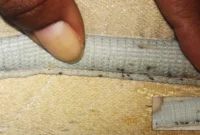

Understand How Bed Bugs Spread
Understanding how bed bugs travel is essential for prevention. Unlike mosquitoes or flies, bed bugs do not normally enter homes by flying through open windows. They are more commonly transported from one location to another through objects that people carry.
Luggage, backpacks, clothing, furniture, blankets, and other personal items can provide hiding places. A bed bug may remain hidden inside a suitcase or the seam of a piece of furniture until the object is moved to a new location.
This behavior explains why prevention needs to focus on personal belongings and movement between locations. Simply keeping the house clean is not enough to guarantee protection.
Inspect Accommodation When Traveling
Travel is one situation where people may unknowingly encounter bed bugs. Hotels, hostels, apartments, and other accommodation facilities can potentially have bed bug activity, regardless of their overall cleanliness.
When entering a new room, travelers can make a basic visual inspection of the sleeping area before unpacking completely. Mattress seams, bed frames, headboards, and nearby furniture can be checked for obvious signs such as dark spots, shed skins, or live insects.
The purpose of this inspection is not to assume that every hotel room has bed bugs. Instead, it is a simple precaution that can help travelers notice potential problems before their belongings become exposed.
Keep Luggage Away From the Bed During Inspection
Where possible, luggage should not immediately be placed on beds or upholstered furniture in unfamiliar accommodation. Keeping bags on a suitable luggage stand or another hard surface can reduce the opportunity for insects to move into them.
This does not eliminate the risk entirely, but it provides an additional preventive step. Luggage should also remain closed when it is not being used, particularly during longer stays.
These small habits are practical because they do not require special equipment and can be incorporated into normal travel routines.
Inspect Luggage After Returning Home
The prevention process should continue after a trip. Luggage can be inspected before being placed directly into bedrooms or storage areas.
The seams, pockets, wheels, and folds of suitcases can provide hiding places for small insects. Clothing should also be handled carefully rather than being left mixed with clean household laundry.
If there is concern about possible exposure, clothing and washable items can be handled according to appropriate laundering and drying procedures. The important principle is to prevent potentially infested belongings from spreading throughout the home.
Be Careful With Second-Hand Furniture
Used furniture can be another pathway for bed bugs to enter a home. Mattresses, sofas, bed frames, chairs, and other upholstered items may contain insects or eggs that are difficult to see during a quick inspection.
Before bringing second-hand furniture indoors, it should be inspected carefully, particularly around seams, joints, cracks, and hidden surfaces. If the item’s history is uncertain and signs of insects are present, bringing it into the home may create unnecessary risk.
This is one area where saving money on used furniture can potentially create larger costs later if an infestation develops. A careful inspection before purchase is therefore a sensible preventive step.
Avoid Bringing Unknown Items Indoors
Not only furniture but also bags, clothing, blankets, boxes, and other objects can potentially transport bed bugs. Items obtained from unknown sources should be inspected before being placed in bedrooms or storage areas.
The risk is not the same for every item. Hard, smooth objects may be easier to inspect than heavily upholstered furniture, which contains many potential hiding spaces.
The important principle is to consider where an item came from and whether it has been stored in conditions where bed bugs could have been present.
Maintain Regular Bedroom Inspections
Regular inspection can help homeowners notice early signs before a problem becomes established. Mattresses, bed frames, headboards, and nearby furniture can be checked periodically.
The inspection does not need to happen every day. A reasonable routine can be particularly useful after travel, purchasing used furniture, or when unexplained signs begin to appear.
Early detection provides more options for responding to a potential problem. It is generally easier to investigate a small number of signs than to deal with a widespread infestation involving several rooms.
Reduce Unnecessary Clutter
Clutter does not necessarily cause bed bugs, but it can make them more difficult to detect and manage. Boxes, clothing piles, bags, and other stored items can create additional hiding spaces.
Keeping the area around the bed reasonably organized makes inspection easier. It also allows homeowners to notice unusual signs on floors, walls, and furniture.
The goal is not to maintain an empty bedroom. Instead, items should be organized in a way that allows important areas to remain accessible for cleaning and inspection.
Do Not Rely on Cleanliness Alone
One common misunderstanding about bed bugs is that they are caused by poor hygiene. This assumption can lead homeowners to focus exclusively on cleaning while overlooking the actual pathways through which bed bugs are introduced.
Cleaning remains important for general household maintenance, but it does not guarantee that bed bugs will stay away. A well-maintained home can still become infested if a contaminated suitcase or piece of furniture is brought inside.
Prevention therefore requires a combination of cleanliness, awareness, inspection, and careful handling of belongings.
Be Careful When Visiting Other Homes
Bed bugs can potentially be transferred through personal belongings, so awareness can also be useful when visiting places where an infestation may be suspected.
This does not mean that people should avoid friends, relatives, or other social activities because of the possibility of bed bugs. Instead, personal items can be handled thoughtfully when there is a known infestation.
If a household is currently dealing with bed bugs, communication can help reduce accidental transfer between homes.
What If You Suspect Exposure?
If you believe that you may have been exposed to bed bugs, avoid immediately spreading potentially affected belongings around the house. Luggage, clothing, and other items should be handled carefully and inspected.
The sleeping area should also be monitored for signs over the following period. Early investigation can help determine whether an actual infestation has developed.
If live bed bugs are found or signs become increasingly clear, professional pest management should be considered rather than waiting for the problem to spread.
Conclusion
Preventing bed bugs requires a different approach from preventing many ordinary household insects. Because bed bugs are frequently transported through belongings, attention should be given to travel, luggage, used furniture, clothing, and other personal items.
Travelers can inspect accommodation and luggage, while homeowners can carefully examine second-hand furniture before bringing it indoors. Regular bedroom inspections and organized storage can also make early signs easier to detect.
Most importantly, bed bugs should not be associated exclusively with poor cleanliness. Their presence can occur in any type of home when the insects are accidentally introduced.
Prevention is valuable because established bed bug infestations can be difficult and time-consuming to manage. A few practical habits before and after traveling or purchasing used items can therefore reduce the likelihood of bringing these pests into the home.

Dianna Bearden is a homeowner and DIY enthusiast who loves tackling household pests. She shares budget-friendly tips and proven tricks to reclaim your space from bugs.