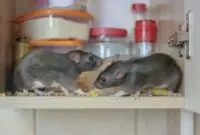

Rodents are frequently difficult to identify during the initial phase of an infestation, primarily because rats and mice tend to avoid open spaces and areas with frequent human activity. Instead, they often remain concealed within walls, ceilings, storage compartments, or other hidden locations, emerging mainly at night to search for food and water. Consequently, homeowners may fail to observe the animals directly even though rodent activity is already taking place within the property. In many cases, the earliest indications appear not as a sighting of the animal itself but rather as droppings, damaged materials, unusual noises, or noticeable changes in the condition of stored food. Being able to recognize these indicators allows homeowners to respond before the situation develops into a more extensive problem.
It should be noted that not every unusual mark or sound necessarily confirms the presence of a rodent infestation. Nevertheless, when similar signs appear repeatedly within the same area, they should not simply be disregarded. A combination of several distinct indicators tends to provide considerably stronger evidence of rodent presence than any single sign observed in isolation. Understanding the meaning behind these signs also enables homeowners to determine whether a basic preventive response will suffice or whether a more thorough professional inspection is warranted.
Rodent Droppings
Droppings represent one of the most frequently encountered indicators of rodent activity. They are commonly discovered near food storage areas, inside cabinets, behind household appliances, along walls, or within storage spaces. The specific location of droppings can offer meaningful insight, since rodents generally leave them in areas that correspond to their regular movement or feeding patterns.
A single dropping alone does not necessarily point toward a serious infestation. However, when droppings appear repeatedly or increase in number over time, the matter warrants closer attention. Homeowners are advised against handling suspected rodent waste without adequate protective measures, as contaminated material may pose certain hygiene-related risks. Rather than simply discarding the visible droppings, the affected area should be cleaned thoroughly, and the underlying source of the activity should be investigated further.
Gnaw Marks and Material Damage
Because the front teeth of rats and mice grow continuously throughout their lives, these rodents are naturally inclined to gnaw on a wide range of materials. As a result, evidence of rodent activity may appear in the form of damaged food packaging, cardboard, wood, plastic, and other household items. Electrical wiring is also susceptible to such damage, which can introduce a more serious safety concern within the household.
When damaged materials are identified, homeowners should carefully assess both the location and the appearance of the marks. Recurring damage in areas associated with food or nesting materials may indicate that rodents are using that particular space on a regular basis. Merely replacing a damaged item is unlikely to resolve the underlying issue if the rodent continues to have access to that location.
Unusual Scratching Sounds
Scratching, squeaking, or movement sounds originating from walls, ceilings, roofs, or other enclosed spaces can sometimes signal rodent activity. Such sounds tend to be more noticeable during nighttime hours, given that many rodent species are considerably more active in darker and quieter conditions.
Sound alone, however, is not sufficient to confirm the presence of rodents. Other animals, structural building materials, plumbing systems, and various environmental factors can produce comparable noises. For this reason, unusual sounds should be evaluated alongside other forms of evidence, such as droppings, material damage, or signs of nesting activity. When multiple indicators appear within the same location, further investigation becomes increasingly justified.
Nests and Nesting Materials
Rodents require sheltered spaces in which to rest and reproduce, and they frequently rely on paper, fabric, cardboard, insulation, leaves, and other soft materials to construct their nests. Such materials are often found in quiet storage areas, behind appliances, within ceiling spaces, or inside wall cavities.
Discovering an actual nest carries greater significance than merely spotting an individual rodent, as it suggests that the area may be serving as an established shelter. The presence of nesting material should therefore prompt homeowners to examine surrounding areas for additional signs of activity. The primary goal should be to determine how and where the rodents are entering and utilizing the building, rather than disturbing the nest without a clear plan of action.
Unusual Odors
A persistent, unfamiliar odor can also be associated with rodent activity. Such smells may originate from droppings, urine, nesting materials, or, in more serious cases, a deceased rodent trapped within an inaccessible section of the building. This odor is often more pronounced in enclosed areas with limited ventilation.
Odor by itself cannot definitively identify the source of a household problem, since numerous other conditions may likewise produce unpleasant smells. Nonetheless, when an unusual odor coincides with droppings or other supporting evidence, it merits closer examination. Locating the exact source can be particularly challenging when rodents are situated within walls or ceilings, which is one reason professional inspection may occasionally become necessary.
Damaged Food Packaging
Food packaging that has been chewed, torn, or punctured without any obvious explanation can serve as an indicator of rodent activity. Rats and mice are capable of chewing through paper, plastic, cardboard, and similar packaging materials in order to access the food contained within.
This type of damage should not be overlooked, particularly if it occurs on a recurring basis. Any food suspected of contamination should be handled with appropriate caution and should not be consumed simply because the visible damage appears minor. Food storage practices should also be reevaluated to ensure that future supplies are kept in containers offering stronger protection.
Although adjusting food storage habits can help reduce the attractiveness of a given area, this measure should be paired with a broader investigation into how the rodents initially gained access.
Grease or Rub Marks
Rodents typically travel along walls and other structural edges rather than crossing open areas of a room. As they repeatedly use the same routes over time, their bodies may leave behind visible marks or residue along nearby surfaces.
These marks are often observed near walls, baseboards, pipes, or other narrow passageways. While such marks do not, by themselves, constitute conclusive proof of rodent activity, they can serve as valuable supporting evidence when considered alongside other signs.
Homeowners should pay particular attention to locations where multiple indicators appear together. A combination of droppings, material damage, and marks along walls generally provides more compelling evidence than any single sign observed on its own.
Changes in Pet Behavior
Household pets sometimes react to the presence of rodents before their owners become aware of more obvious physical evidence. Dogs and cats, for instance, may repeatedly direct their attention toward a particular wall, cabinet, ceiling area, or other specific location.
Nevertheless, changes in pet behavior alone are insufficient to confirm an infestation, since animals are capable of reacting to a wide range of sounds and smells that remain undetectable to humans. As such, pet behavior should be regarded as a potential clue rather than a reliable diagnostic tool on its own.
If a pet consistently reacts to the same area and other supporting signs of rodent activity are also present, homeowners may find it worthwhile to inspect that particular location more thoroughly.
Daytime Sightings of Rodents
Although rats and mice tend to be more active at night, their behavioral patterns can vary considerably. A single daytime sighting of a rodent does not necessarily confirm that a household is experiencing a severe infestation.
That said, repeated sightings during daylight hours may suggest that rodents are active in areas where they feel relatively secure, or that they are actively searching for additional resources. Such observations should therefore be interpreted in conjunction with other available evidence.
The number, location, and frequency of sightings all carry relevance. A single sighting near an exterior area, for example, may hold a different significance compared to repeated sightings occurring inside a kitchen or storage room.
Identifying the Possible Entry Point
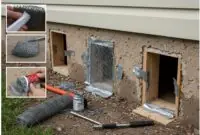
Once rodent activity is suspected, locating the entry point becomes a critical part of the overall investigation. Common access points typically include gaps surrounding doors, windows, pipes, roofs, vents, drains, and damaged sections of walls.
It is worth noting that the entry point is not always located near the area where the rodent was actually observed. Rodents are capable of navigating through concealed spaces and traveling considerable distances within a building’s structure.
For this reason, a thorough inspection should encompass both the interior and exterior of the property. Sealing a single visible gap may prove ineffective if an alternative access route remains available elsewhere.
Appropriate Response After Identifying These Signs
The first step in responding to suspected rodent activity involves assessing the conditions that may be contributing to it. Food should be properly secured, waste should be managed appropriately, and unnecessary clutter should be minimized. Any potential entry points identified during inspection should also be addressed accordingly.
At the same time, homeowners should refrain from disturbing potentially contaminated materials without taking suitable precautions. In cases involving a substantial amount of waste, nesting material, or contamination, professional cleaning or pest management services may become appropriate.
Simply removing visible evidence is generally not the most effective response. The underlying source of the activity must also be identified and addressed to prevent the problem from continuing.
When Professional Inspection Becomes Appropriate
Professional assistance becomes increasingly relevant when signs of rodent activity persist, become widespread, or occur in areas that are difficult to access. This is especially true in cases involving evidence of nesting, structural damage, or damage to electrical wiring.
A trained professional is able to assess a building in a more systematic manner and identify access routes that homeowners may otherwise overlook. Furthermore, professional treatment approaches can be tailored according to the specific type and scale of the problem at hand.
Delaying action until an infestation becomes severe can make the situation considerably more difficult, and often more costly, to resolve. Taking early action is therefore generally the more practical course when multiple signs begin to appear simultaneously.
Conclusion
Rodent infestations are not always immediately apparent to the naked eye. Rats and mice are capable of remaining concealed while still leaving behind numerous physical indicators of their presence. Droppings, gnaw marks, damaged food packaging, nesting materials, unusual odors, scratching sounds, and recurring activity around specific locations can all serve as useful clues.
Even so, individual signs should not automatically be interpreted as definitive proof of a serious infestation. A more accurate assessment typically emerges from considering multiple signs collectively while also examining the surrounding environmental conditions.
When rodent activity is suspected, homeowners should take steps to secure food sources, manage waste appropriately, inspect potential entry points, and minimize unnecessary hiding places. If the signs persist, or if the problem involves inaccessible areas or notable property damage, seeking a professional inspection should be given serious consideration.
Early recognition remains one of the most valuable components of effective rodent management. The sooner the underlying source is identified, the greater the opportunity to resolve the issue before it develops into a more significant household concern.

Dianna Bearden is a homeowner and DIY enthusiast who loves tackling household pests. She shares budget-friendly tips and proven tricks to reclaim your space from bugs.