Finding an insect or another unwanted animal inside the house can raise concerns, especially when it happens repeatedly. However, the first step in dealing with a pest problem should not always be removing the visible pest immediately. Identifying what type of pest is present can provide useful information about the possible cause of the problem.

Different pests have different habits. Some are attracted mainly by food, while others depend more on moisture, shelter, or suitable places to reproduce. Because of these differences, the same treatment method may not be equally effective for every type of pest.
Common household pests include ants, cockroaches, flies, mosquitoes, termites, rodents, and bed bugs. Understanding their general characteristics can help homeowners recognize early signs and determine when further action may be necessary.
Ants
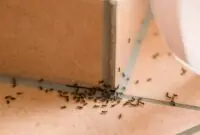
Ants are among the insects that are frequently found inside homes. They can enter through small gaps around doors, windows, walls, and other openings.
In many cases, ants are attracted by accessible food. Sweet foods, crumbs, spilled drinks, and food residue can become sources that encourage ants to enter a particular area.
One characteristic that can make ants difficult to manage is their tendency to follow established trails. When one ant finds a food source, other ants may follow the same route.
For this reason, cleaning the area where ants are found is important. Homeowners should also look for the reason why the ants are attracted to that location.
If the food source remains available, simply removing the visible ants may not prevent them from returning.
Cockroaches
Cockroaches are commonly associated with warm and humid environments. Inside homes, they may be found around kitchens, bathrooms, drains, storage areas, and other places where food and moisture are available.
Cockroaches tend to hide in dark areas and may become more active at night. This behavior can make it difficult to determine the extent of the problem based only on daytime observations.
Repeated sightings may indicate that the environment provides suitable conditions for cockroaches. Other signs can include droppings, unpleasant odors, shed body parts, or egg cases.
Improving sanitation and reducing moisture can help make the environment less favorable. Food should also be stored properly, and areas around sinks, cabinets, and appliances should be maintained.
When cockroach activity continues despite these measures, a more detailed inspection may be required.
Flies
Flies are usually associated with food, waste, and organic material. They can enter through doors, windows, ventilation openings, and other access points.
Food waste is one of the conditions that can attract flies. Garbage should therefore be managed regularly, particularly when it contains organic material.
Kitchen surfaces should also be cleaned after preparing food. Spilled liquids and food residue may provide temporary food sources for flies.
If flies continue to appear in large numbers, homeowners should investigate whether there is a hidden source. The source could be related to waste, drains, damaged containers, or decomposing organic material.
Identifying the source is more useful than repeatedly removing individual flies.
Mosquitoes
Mosquitoes are strongly influenced by environmental conditions, particularly the availability of stagnant water.
Containers, plant pots, gutters, drains, and other objects can collect water after rainfall. If this water remains undisturbed, it may provide a suitable environment for mosquito reproduction.
Regularly checking the area around the house can therefore be an important preventive measure.
Mosquito activity can also change according to weather and seasonal conditions. A temporary increase does not necessarily mean that mosquitoes are breeding inside the house itself.
For this reason, homeowners should consider the wider environment when investigating mosquito activity.
Termites
Termites require more serious attention because they can affect wooden structures and other materials containing cellulose.
Unlike pests that mainly cause hygiene concerns, termites can gradually contribute to property damage. The problem may remain unnoticed for some time because termites can operate inside wood or other hidden areas.
Possible signs include damaged wood, hollow-sounding wooden components, discarded wings, mud tubes, or visible termite activity.
If there is evidence that termites are affecting the structure of a building, the situation should not be treated as a simple cleaning problem.
Professional inspection can help determine the extent of the activity and identify the most appropriate management strategy.
Early detection is particularly important because structural damage can become more extensive when termite activity is allowed to continue.
Rodents
Rats and mice can also become household pests. They may enter through gaps in walls, doors, roofs, pipes, or other openings.
Rodents are generally attracted to areas where food and shelter are available. Kitchens, storage rooms, ceilings, and spaces behind appliances can therefore become potential locations for their activity.
Homeowners may notice droppings, damaged food packaging, gnaw marks, nesting materials, or sounds coming from hidden areas.
Food should be stored in closed containers, and unnecessary clutter should be reduced.
Structural openings should also be checked. Removing food alone may not solve the problem if rodents still have easy access to the building.
Bed Bugs
Bed bugs are small insects that are commonly associated with beds, mattresses, upholstered furniture, and other areas where people rest.
They can be particularly difficult to manage because they are capable of hiding in very small spaces. Mattress seams, furniture joints, cracks, and other concealed areas may become hiding locations.
Bed bugs can also be transported through luggage, used furniture, clothing, and other personal belongings.
Because of this behavior, treating only the insects that are visible may not resolve the problem completely.
When bed bug activity is suspected, the surrounding area should be inspected carefully. If the problem is established, professional treatment may be required.
Why Do Pests Enter Homes?
Although household pests have different characteristics, several environmental conditions commonly contribute to their presence. The first condition is food. Open food containers, crumbs, waste, and poorly stored ingredients can provide resources for insects and rodents. The second is water. Leaking pipes, standing water, damp areas, and poor drainage may create suitable conditions for certain pests. The third is shelter. Clutter, cracks, storage areas, and vegetation can provide places where pests can hide or reproduce. The fourth is access. Gaps around windows, doors, pipes, roofs, and walls can provide routes for pests to enter. Understanding these factors allows homeowners to approach pest problems more systematically instead of relying only on temporary removal.
Why Correct Identification Matters
Identifying a pest correctly is important because each type may require a different management strategy.
For example, a method used to manage ants may not be appropriate for termites. Similarly, treating visible cockroaches may not address the hidden areas where they are reproducing.
Homeowners can begin identification by observing the physical characteristics of the pest, the location where it appears, its activity pattern, and the signs it leaves behind.
If the pest cannot be identified with reasonable confidence, seeking information from a reliable source or requesting professional inspection may be more appropriate than applying an unknown treatment.
Correct identification can prevent unnecessary treatment and help focus attention on the actual cause of the problem.
When Is Professional Assistance Necessary?
Not every pest sighting requires professional intervention. A small number of insects may sometimes be managed by improving sanitation and removing sources of food or moisture.
However, professional assistance should be considered when pest activity becomes persistent, widespread, difficult to identify, or associated with property damage.
Termites are a clear example because their activity can affect structural materials. Established bed bug and rodent problems may also be difficult to manage without a systematic approach.
Professional pest management should ideally focus not only on removing visible pests but also on identifying the source and conditions that allow the problem to continue.
Conclusion
Household pests are part of the maintenance challenges that can occur in residential environments. Ants, cockroaches, flies, mosquitoes, termites, rodents, and bed bugs each have different characteristics and reasons for appearing.
Understanding the type of pest is therefore an important starting point. It allows homeowners to consider the possible source of the problem and select a more appropriate response.
Food, moisture, shelter, and access points are among the main factors that should be examined. Regular cleaning, proper storage, structural maintenance, and environmental management can reduce many of these conditions.
At the same time, homeowners should recognize the limits of household methods. Problems involving structural damage or persistent infestations may require professional assessment.
A practical approach is to observe early signs, identify the likely cause, apply suitable preventive measures, and seek additional assistance when the problem cannot be controlled effectively.

Dianna Bearden is a homeowner and DIY enthusiast who loves tackling household pests. She shares budget-friendly tips and proven tricks to reclaim your space from bugs.