
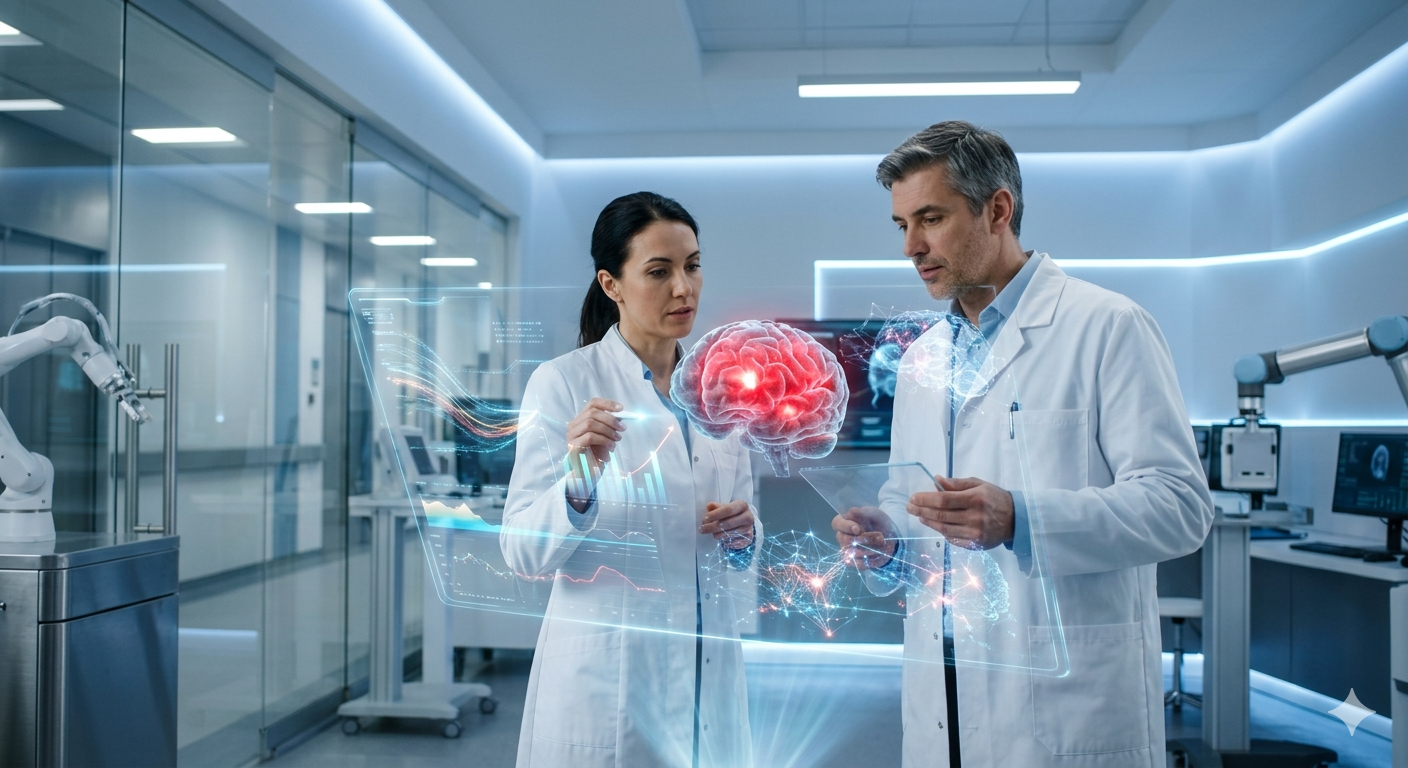
The global healthcare landscape is witnessing a seismic shift as Artificial Intelligence (AI) moves from experimental labs to the front lines of clinical diagnostics. AI-driven diagnostic tools are no longer futuristic concepts; they are current necessities that are significantly reducing diagnostic errors and improving patient outcomes in high-stakes fields like oncology and cardiology.
Why Precision Medicine is the Future
At its core, precision medicine uses AI algorithms to analyze vast datasets—including genetic sequences, lifestyle factors, and environmental data—to tailor medical treatments to individual patients. Unlike the “one-size-fits-all” approach, AI-enhanced precision medicine allows for:
-
Early Detection of Malignancies: Identifying cancerous cells in medical imaging long before they are visible to the human eye.
-
Predictive Analytics: Using historical health data to predict potential heart failure or stroke risks.
-
Reduced Healthcare Costs: By identifying issues early, the long-term cost of treatment for chronic diseases is drastically lowered.
The Impact on Insurance and Enterprise Health
For healthcare providers and insurance tech (InsurTech) firms, this technology represents a massive opportunity to mitigate risk. As these tools become more integrated, the demand for enterprise-grade AI health platforms continues to skyrocket, making it a cornerstone of the modern medical economy.

Dianna Bearden is a homeowner and DIY enthusiast who loves tackling household pests. She shares budget-friendly tips and proven tricks to reclaim your space from bugs.