
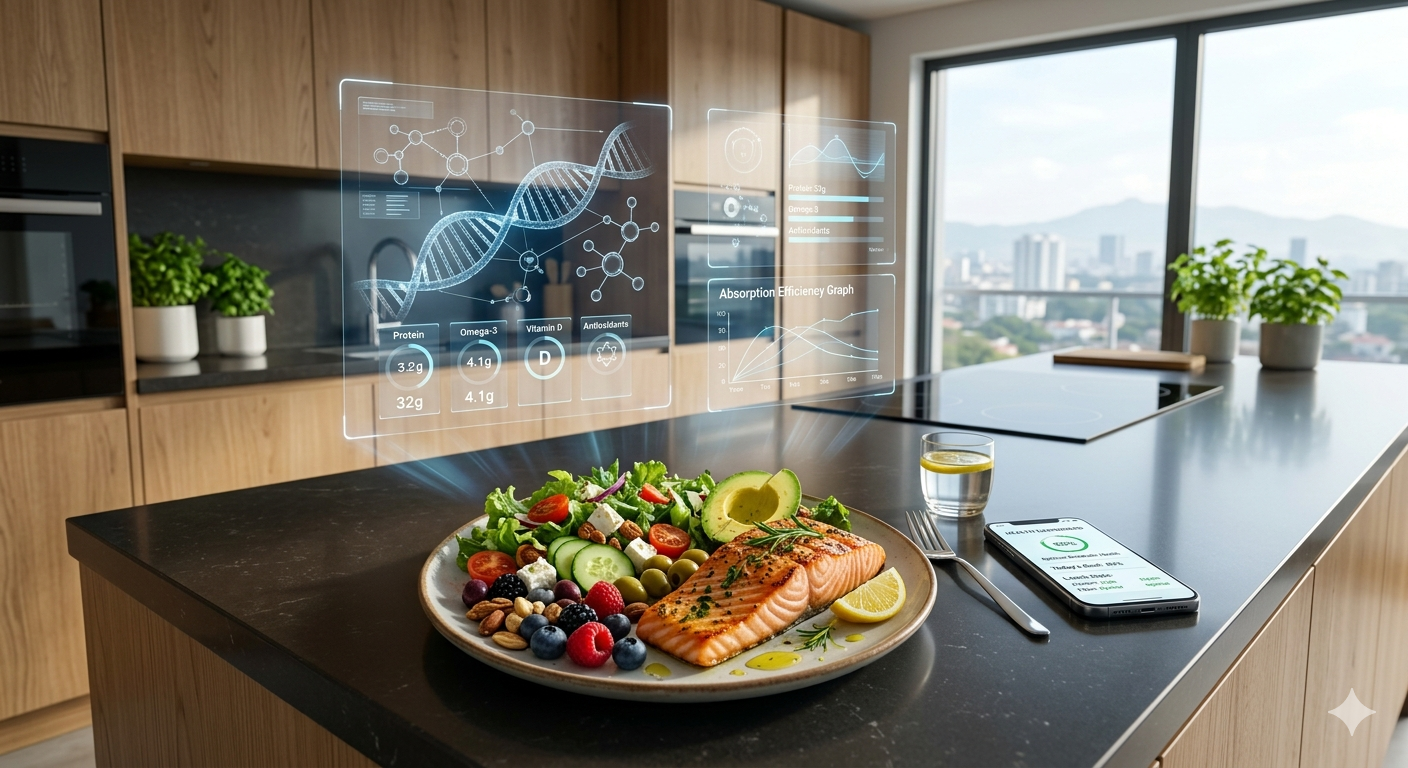
Introduction In the previous decade, health enthusiasts followed “one-size-fits-all” diets like Keto or Paleo. However, the medical community is shifting toward Precision Nutrition. This approach recognizes that every individual processes macronutrients differently based on their unique genetic makeup, gut microbiome, and metabolic rate.
The Science of Nutrigenomics Nutrigenomics is the study of how food affects our genes and how individual genetic variations affect the way we respond to nutrients. For example, a specific gene variant might make one person highly sensitive to caffeine, while another metabolizes it instantly. By utilizing DNA testing kits, individuals can now tailor their intake of vitamins and minerals to mitigate hereditary health risks.
The Role of the Microbiome Beyond genetics, the trillion-sized colony of bacteria in our gut—the microbiome—plays a massive role in weight management and mental health. High CPC advertisers in the probiotic and supplement space focus heavily on this. A diet rich in diversified fiber and fermented foods is no longer just a suggestion; it is a clinical necessity for maintaining the “gut-brain axis.”
Actionable Strategies for Longevity
-
Continuous Glucose Monitoring (CGM): Once reserved for diabetics, CGMs are now used by biohackers to see real-time blood sugar spikes after meals.
-
Blood Panel Optimization: Annual blood tests to monitor inflammation markers like CRP (C-Reactive Protein).
-
Intermittent Fasting (IF): Utilizing 16:8 or 20:4 protocols to trigger autophagy, the body’s cellular cleanup process.

Dianna Bearden is a homeowner and DIY enthusiast who loves tackling household pests. She shares budget-friendly tips and proven tricks to reclaim your space from bugs.