The Revolution of Remote Patient Monitoring: Scaling Value-Based Care
The global healthcare landscape is shifting from a reactive model to a proactive, data-driven ecosystem. At the heart of this transformation is Remote Patient Monitoring (RPM). No longer just a buzzword, RPM is becoming a financial and clinical necessity for providers aiming to reduce hospital readmissions and improve patient outcomes.
-
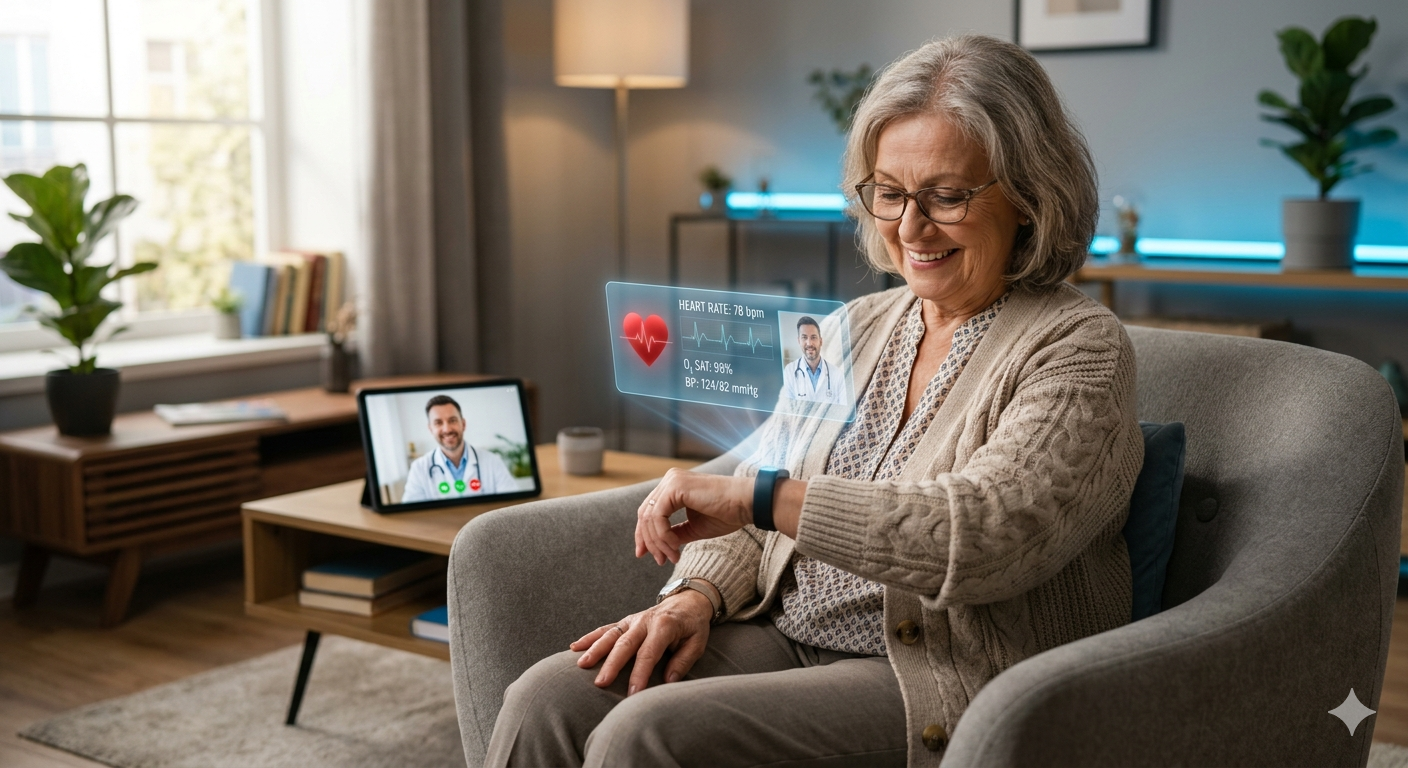
Bridging the Gap in Chronic Care: With the rise of AI-integrated wearables, doctors can now track vitals like glucose levels and blood pressure in real-time. This continuous data stream allows for “intervention before escalation.”
-
The Economic Incentive: Recent updates to CMS (Centers for Medicare & Medicaid Services) reimbursement codes have made RPM a viable revenue stream for private practices, driving massive investment into integrated RPM software platforms.
-
AI and Predictive Analytics: The next frontier involves machine learning algorithms that analyze RPM data to predict cardiac events or diabetic ketoacidosis days before they occur.
Key Insight: For healthcare administrators, the ROI of RPM isn’t just in the tech—it’s in the drastic reduction of emergency room overhead.

Dianna Bearden is a homeowner and DIY enthusiast who loves tackling household pests. She shares budget-friendly tips and proven tricks to reclaim your space from bugs.