The Evolution of Remote Care
Telehealth is no longer just about video calls with a GP. We have entered the era of Telehealth 2.0, defined by Remote Patient Monitoring (RPM) and the integration of the Internet of Medical Things (IoMT). This niche is particularly lucrative for digital marketing due to the high lifetime value of medical device contracts and software-as-a-service (SaaS) platforms.
The Role of Wearable IoMT Devices
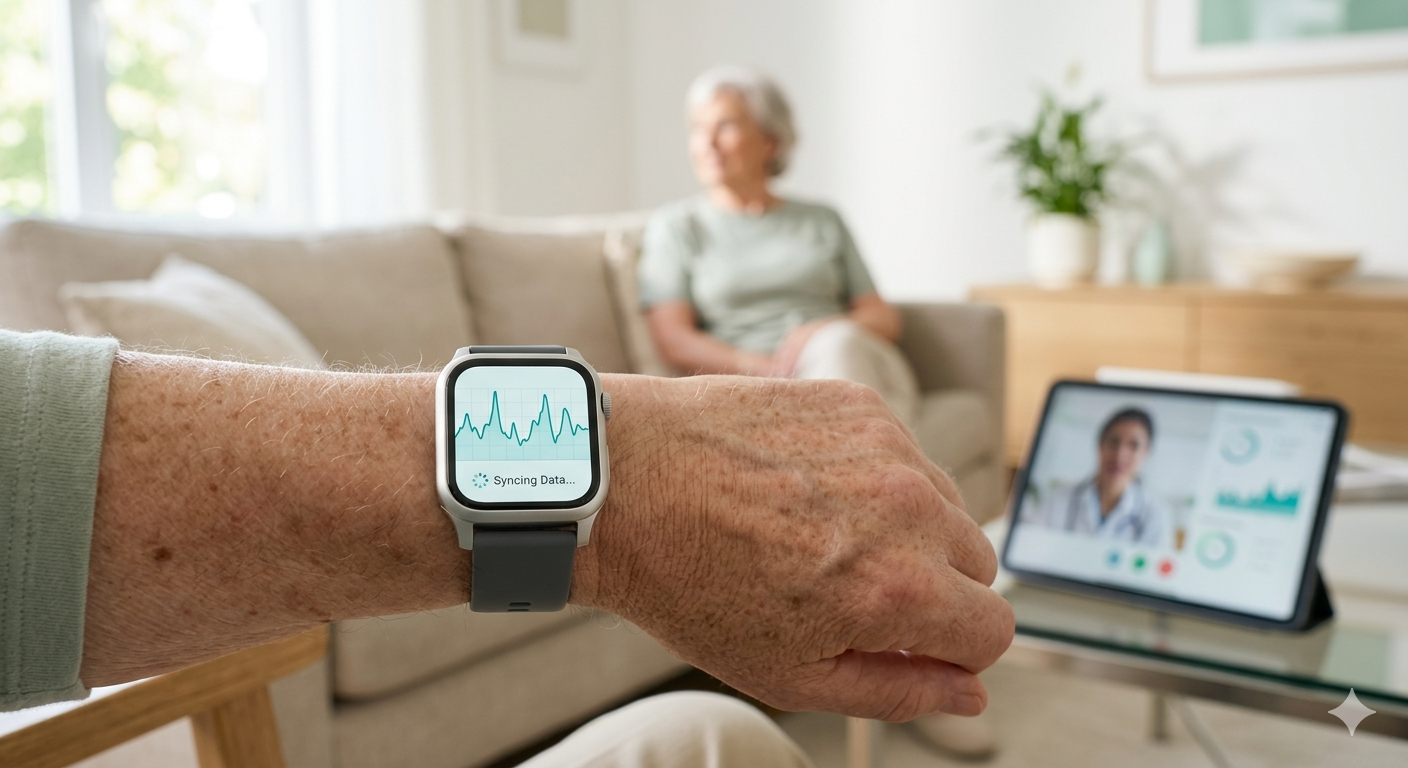
Modern RPM relies on medical-grade wearables that track vital signs in real-time. These devices monitor:
-
Continuous Glucose Monitoring (CGM): Revolutionizing diabetes management.
-
Cardiac Telemetry: Detecting arrhythmias before they lead to strokes.
-
Pulse Oximetry: Crucial for chronic respiratory disease management.
AI and Predictive Analytics
The true value of RPM lies in the data. Artificial Intelligence (AI) algorithms can analyze trends in a patient’s vitals and alert providers to potential health crises days before they occur. This “predictive intervention” model reduces emergency room visits and optimizes clinic workflows.
Regulatory Landscape and Reimbursement
As Medicare and private insurers expand their reimbursement codes for remote care, the demand for integrated telehealth platforms has skyrocketed. Companies that provide end-to-end solutions—from hardware distribution to billing integration—are currently at the center of a high-value digital ecosystem.

Dianna Bearden is a homeowner and DIY enthusiast who loves tackling household pests. She shares budget-friendly tips and proven tricks to reclaim your space from bugs.