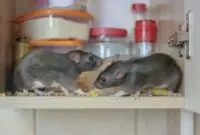
For facilities where hygiene is non-negotiable—such as hospitals, laboratories, and food processing plants—rodents represent a dual threat: structural damage and catastrophic biological contamination. Rats and mice are vectors for over 35 diseases, including Salmonella, Leptospirosis, and Hantavirus. A “zero-tolerance” policy supported by a robust rodent exclusion strategy is the industry standard for maintaining biosecurity.
Beyond the Trap: The Exclusion Mindset
Traditional pest control relied heavily on rodenticides (poison baits). However, modern Integrated Pest Management (IPM) emphasizes exclusion—physically preventing entry.
-
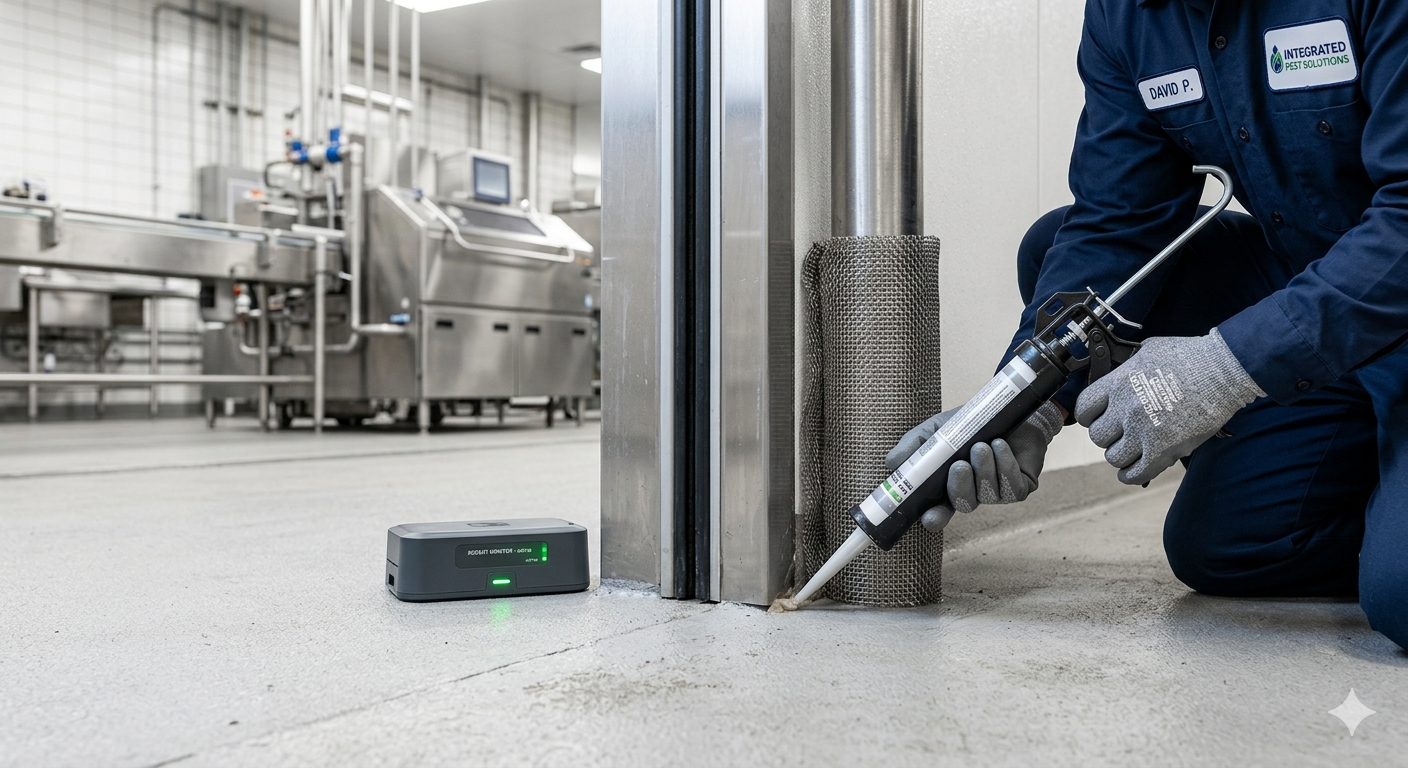
Structural Hardening: Using stainless steel mesh, copper wool, and specialized elastomeric sealants that rodents cannot chew through.
-
Loading Dock Integrity: Installing heavy-duty brush seals on dock levelers to eliminate the gaps that allow rodents to enter “hitchhiking” on shipments.
-
Environmental Modification: Managing exterior vegetation and lighting to make the facility’s perimeter less attractive to nocturnal foragers.
Compliance and Documentation
In a highly regulated environment, “doing” the work isn’t enough; you must prove it. Professional pest control partners provide digital “trap maps” and trend analysis reports. These documents are essential during FDA, USDA, or Joint Commission audits. Failure to provide documented pest mitigation can lead to “Stop Sale” orders or the immediate revocation of operating licenses, costing businesses millions in lost revenue.

Dianna Bearden is a homeowner and DIY enthusiast who loves tackling household pests. She shares budget-friendly tips and proven tricks to reclaim your space from bugs.